
Research at PCOM
Developing novel approaches to preventing, diagnosing and treating disease
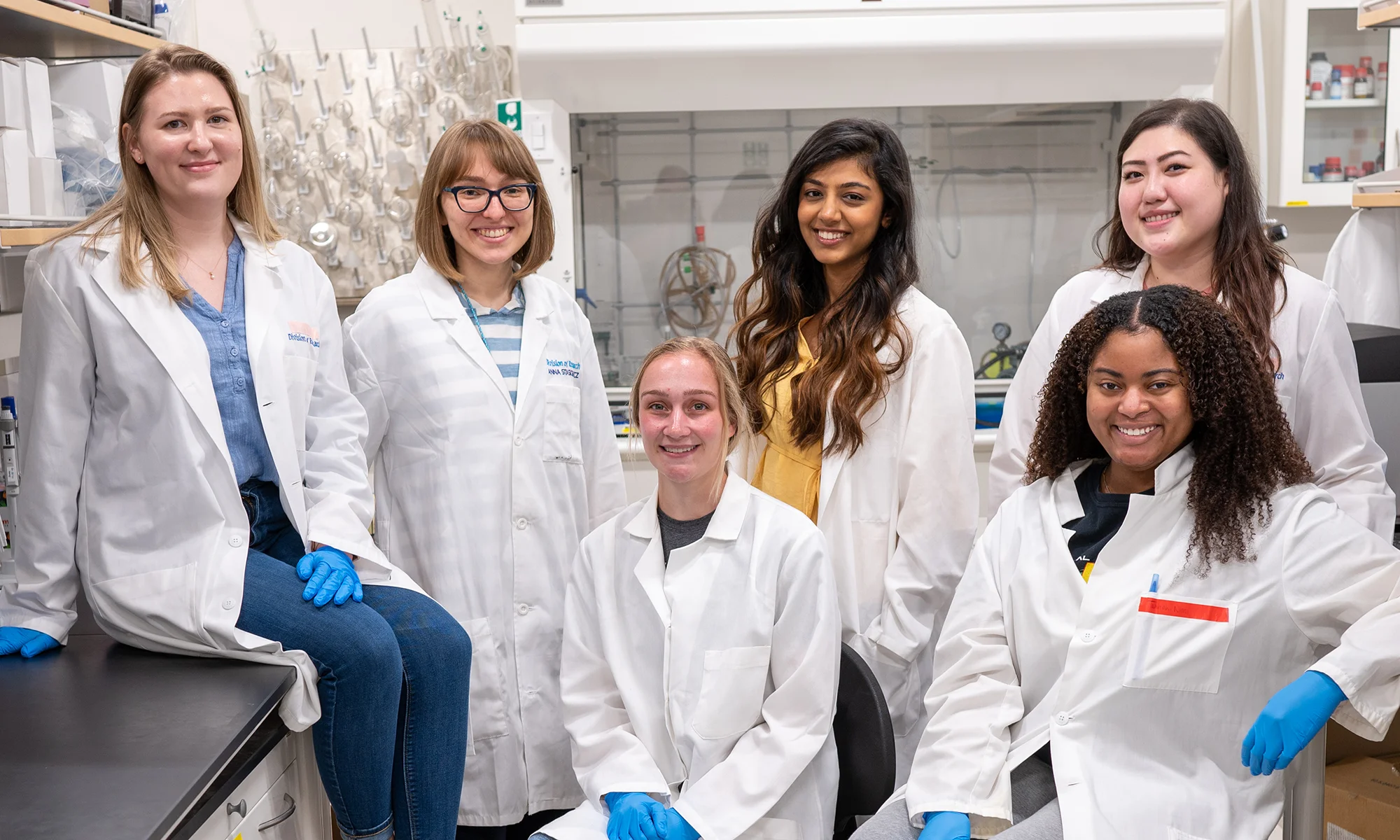
PCOM Research
At PCOM, research is an essential part of preparing the next generation of healthcare professionals. We create opportunities for faculty and students to investigate important questions, translate discoveries into practice and improve the health of patients and communities.
Student researchers gain meaningful experience in investigative methods, ethical inquiry and scholarly communication—building the curiosity, critical thinking and data-driven evaluation skills needed for residencies and future careers. Through various research opportunities, PCOM students develop:
- Curiosity, creativity and disciplined thinking.
- Strong communication and information appraisal skills.
- A commitment to evidence-based practices.
- Greater preparedness for residency, advanced training and professional practice.
- Journal of Integrated Primary Care (JIPC)
- Bone and joint research
- Cancer research
- Cardiovascular and pulmonary
- Community-Based Research Faculty Fellowship
- Drug discovery, development and delivery
- Gun violence research
- Infectious diseases
- Inflammation, allergy and autoimmunity
- Medical cannabis research
- Medical education research
- Muscle research
- Nervous system research
- Nutrition, obesity and diabetes
- Organismal and evolutionary biology
- Osteopathic Manipulative Medicine (OMM)
- Pain research
- Pathology and anatomy research
- Precision medicine and NIH All of Us
- Primary care research
- Psychology and behavioral health
- Vision research
- Wound healing and tissue regeneration
Publication Highlights
Discover the latest scholarly achievements by PCOM researchers. Visit the PCOM Scholarly Works page on Digital Commons to view a selection of peer-reviewed studies, clinical case reports, and innovative trials led by PCOM faculty and students. These publications underscore our institutional mission to translate rigorous scientific inquiry into meaningful improvements for patient health and medical education.
What Our Students Say
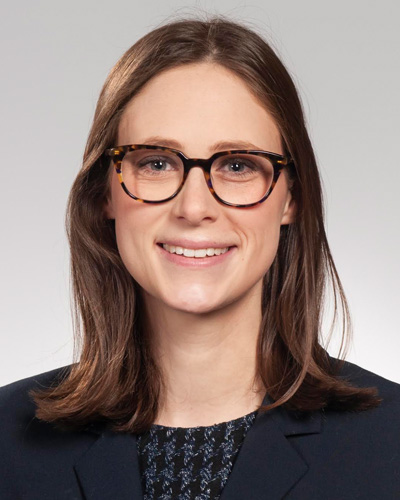
“During the didactic years of medical school, I yearned for more direct engagement with clinical medicine… Clinical research was another means for me to engage with current medical practice.”
Hilary Gray, DO '22
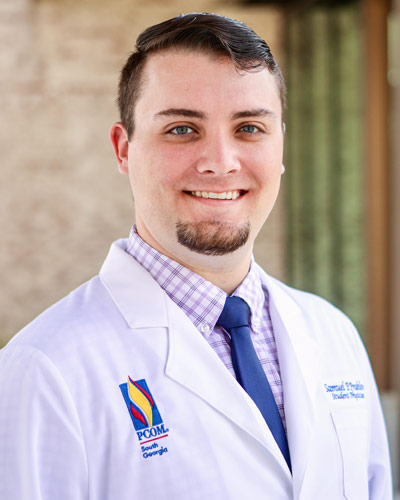
“Research is collaborative in all facets of the word. I would not be able to be where I am today without my research experience or without those who have mentored, taught and helped me to find research areas of interest.”
Samuel P. Prahlow, DO '24
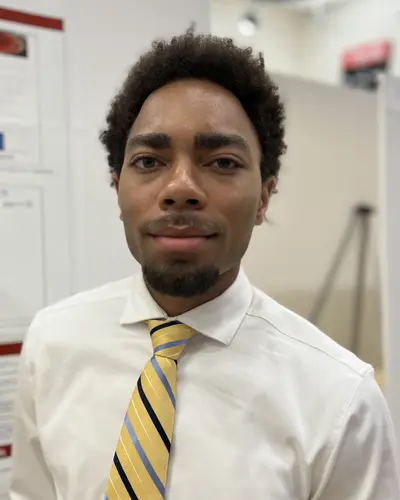
“It's amazing to know that I'm part of research that could positively impact patients in the future in such a life-changing way.”
Cameron Stinson, MS/Biomed '24 (DO '28)
Explore our Research Priorities
Research Plan
Our mission is to develop innovative approaches for promoting health through basic, translational, clinical, behavioral, education and community research.
Focus Areas
View the areas of investigation where our faculty and students conduct research projects including cancer, infectious disease, nutrition, psychology, vision and much more.
Student Research
Discover how PCOM supports student research opportunities and where our students are making published contributions to health care and science.