
Pain Research at PCOM
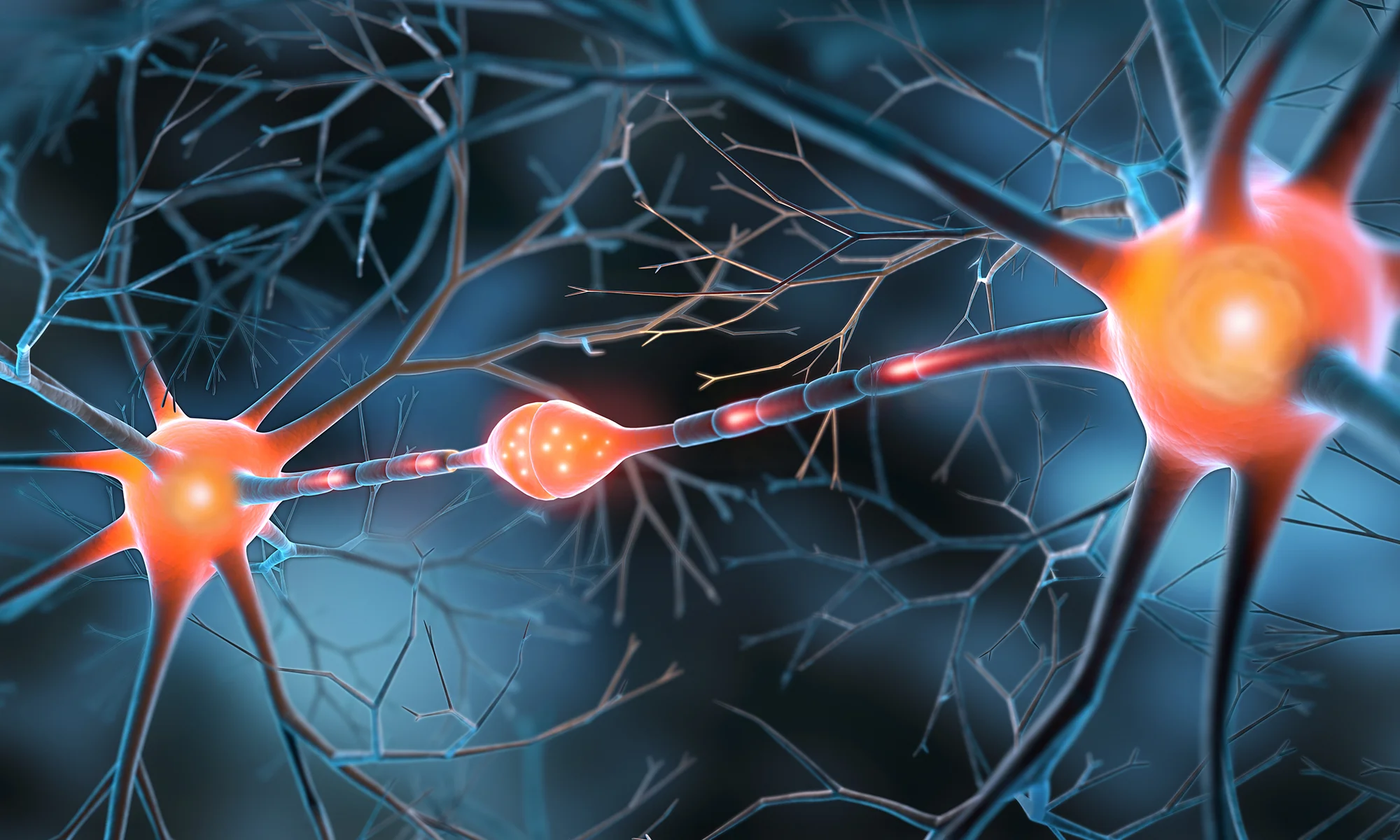
Chronic pain affects nearly one third of the population in the United States. As with other disorders, this condition can seriously affect one's quality of life.
Chronic pain research is the study of persistent pain that may last for weeks, months or years. Researchers try to understand why some people experience chronic pain and how to find better ways to manage or treat it.
About Chronic Pain Research
Scientists study various aspects of chronic pain such as its causes, effects on the body and the best remedies to alleviate it. They investigate both the physical and psychological factors involved in how we experience pain. One area of research focuses on identifying the underlying causes of chronic pain. Pain can be due to an injury, inflammation, nerve damage or certain medical conditions. By understanding these causes, researchers aim to develop more targeted treatments in order to improve the lives of those living with chronic pain and find ways to alleviate their suffering.
Pain Research at PCOM
While opioids are helpful for reducing pain, these medications are not effective in all patients and their potential for misuse and addiction has led to a national crisis. Ongoing clinical studies at PCOM focus on the use of non-opioid medications to improve analgesia, enhance pain relief and reduce opioid dosage. Some PCOM researchers explore alternative treatments to relieve chronic pain and improve quality of life through physical therapy, cognitive behavioral therapy and osteopathic manipulative therapy.
Our Faculty Researchers
This is a carousel. Use the Next and Previous buttons to navigate through the slides.
Donald Allison, DO, and medical students studied if the OMM technique of rib raising could aid in surgery recovery or outpatient management of lower back pain.

PCOM professor Frederick Goldstein, PhD, and colleagues conducted a pilot clinical study on if a prescription-only synthetic version of THC was viable as a long-term treatment option for patients with chronic pain.
PCOM clinical psychology doctoral candidate Joseph Harrison, MS, MBDS, (PsyD '25), collaborated on an article regarding managing patients with Long Covid Fibromyalgia in PCOM's The Journal for Integrated Primary Care (JIPC).

Research at PCOM
PCOM aims to develop innovative approaches to promoting health through basic, translational, clinical, behavioral, education and community research projects.
- Explore PCOM's numerous research focus areas.
- Learn about graduate and medical student student research opportunities.
- Read PCOM's peer-reviewed academic publication The Journal of Integrated Primary Care.
- View the College's research plan.