
Primary Care Research at PCOM
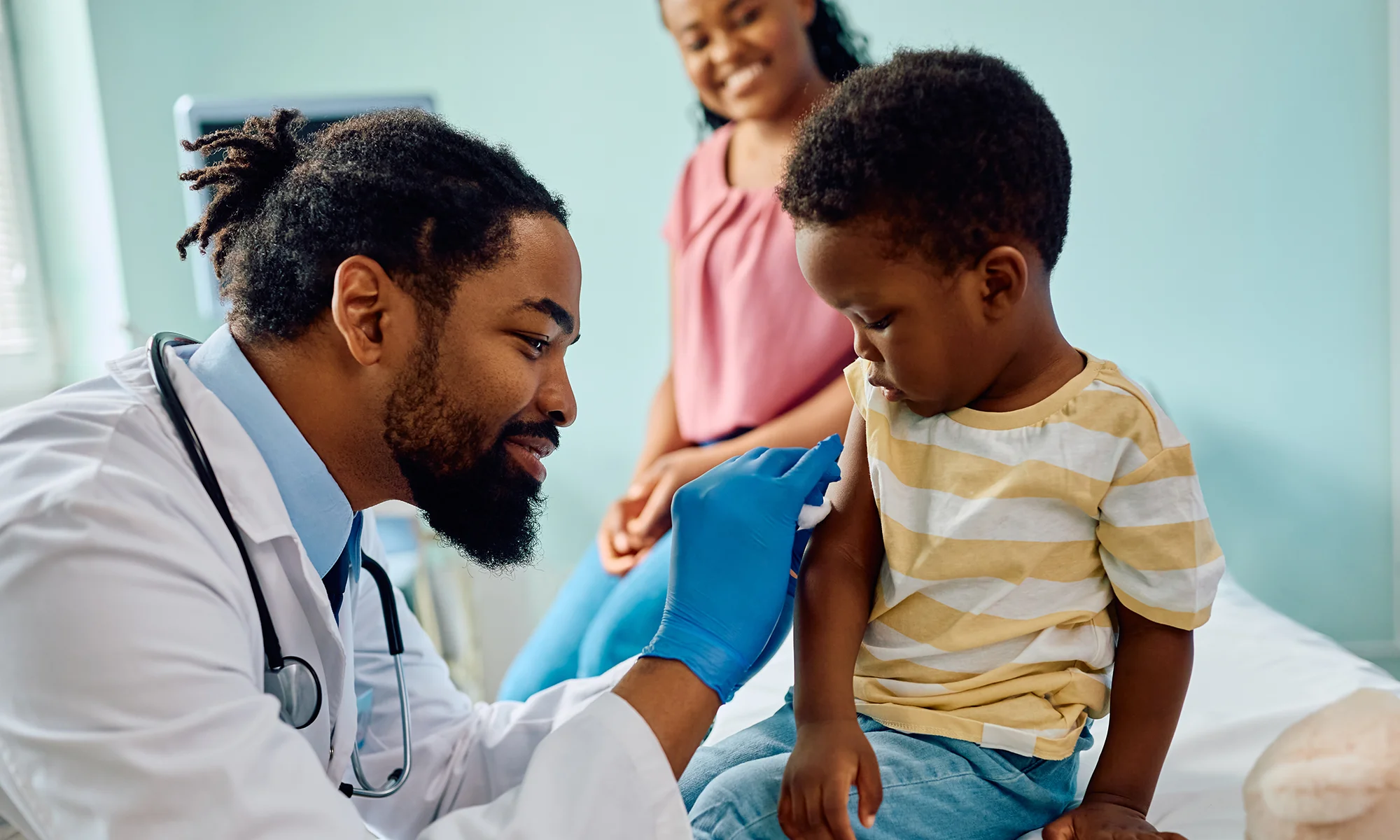
Primary care medicine is an entry point for individuals seeking treatment of undiagnosed ailments and serves as the foundation for ongoing, lifelong health care.
What is a Primary Care Physician?
Primary care physicians (PCPs) and their allied healthcare professionals educate and counsel their patients to promote health and prevent disease, in addition to delivering comprehensive care for both acute and chronic illnesses in outpatient and inpatient settings. Primary care is typically the first point of contact for individuals seeking healthcare services. Family physicians, pediatricians, general practitioners, obstetricians/gynecologists (OB/GYNs) and geriatricians are examples of PCPs.
Coordination and integration of health monitoring and care delivery between PCPs, community-based services and family members is a significant challenge. Empowering and educating individuals to be active participants in their own care is important to maximizing health in communities.
About Primary Care Research
Primary care research refers to the methodical investigation of healthcare issues in the field of primary care medicine. Researchers study various aspects about the delivery and effectiveness of primary care services. Research projects may examine the delivery and outcomes of primary care treatments, as well as explore patient experiences, healthcare provider practices and policy implications. The aim is to generate evidence-based knowledge that can inform and improve the practice of primary care, ultimately enhancing the quality, accessibility, and effectiveness of healthcare delivery.
Primary Care Research at PCOM
PCOM faculty and staff study innovative approaches to constructing and reinforcing partnerships between patients, physicians, students and health insurance providers to improve access and outcomes, as well as reduce disenfranchisement, burnout and cost.
Our Faculty Researchers
This is a carousel. Use the Next and Previous buttons to navigate through the slides.
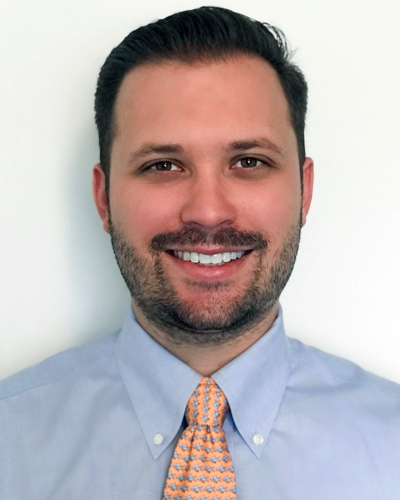
PCOM South Georgia medical student Kaelin DeMuth (DO '23) analyzed the impact of telehealth technologies on standard healthcare practices. He hopes videoconferencing and other online tools can improve primary care health outcomes and reduce patient trips to the ER.
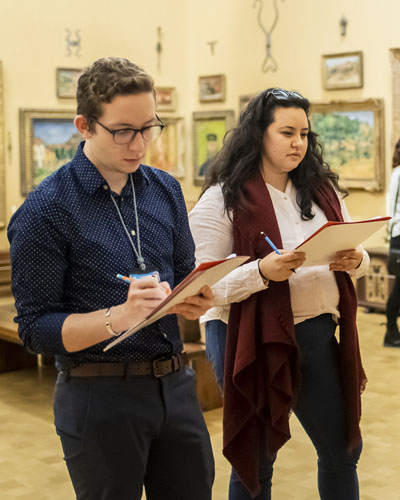
Can art classes improve medical students' primary care skills? PCOM DO students took part in a series of workshops designed to hone their observation and communication skills by studying artworks at the Barnes collection in Philadelphia.
Research at PCOM
PCOM aims to develop innovative approaches to promoting health through basic, translational, clinical, behavioral, education and community research projects.
- Explore PCOM's numerous research focus areas.
- Learn about graduate and medical student student research opportunities.
- Read PCOM's peer-reviewed academic publication The Journal of Integrated Primary Care.
- View the College's research plan.