
Bone and Joint Research at PCOM
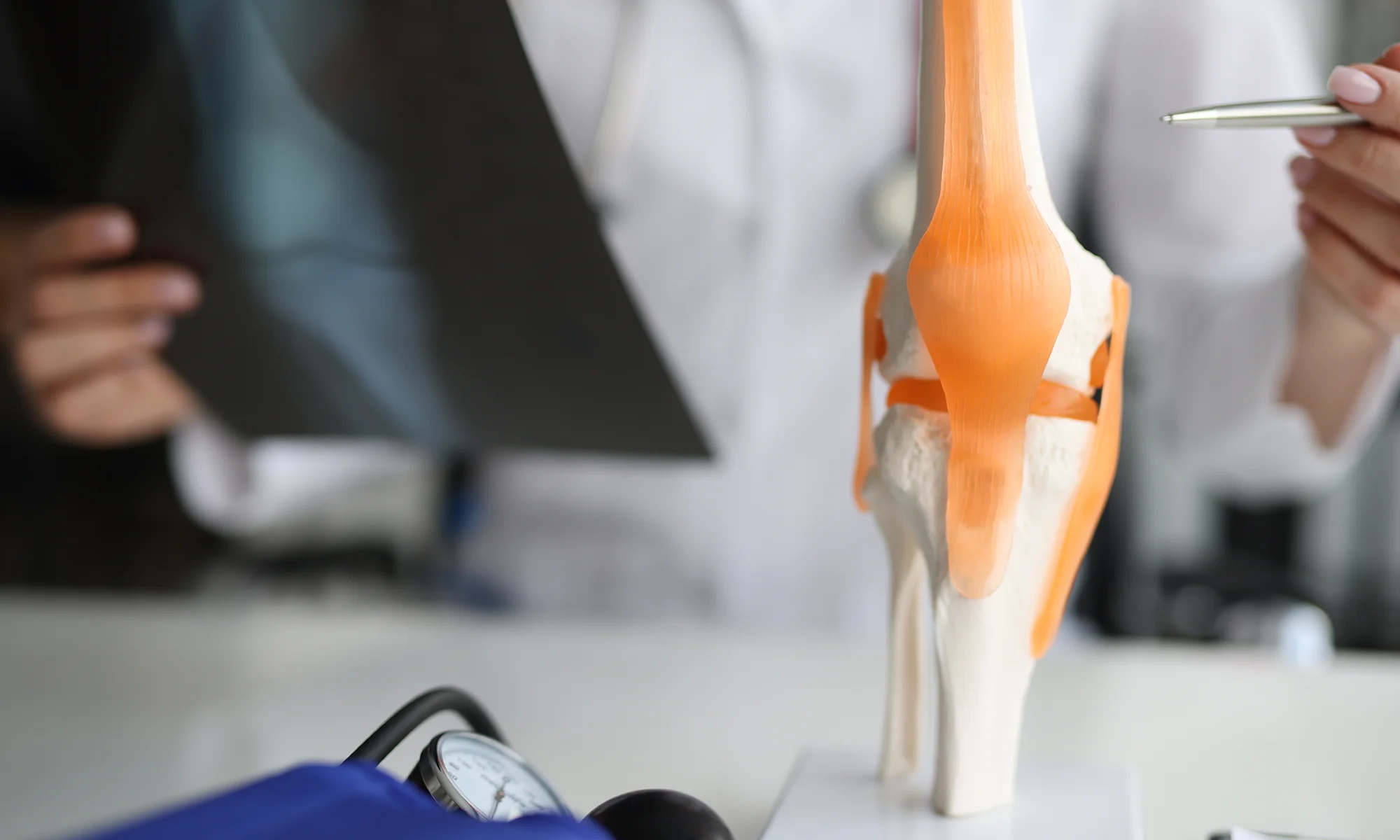
Diseases and disorders affecting the bones and joints come in many forms, including osteoarthritis, osteoporosis, osteomyelitis, osteomalacia, bone cancer and developmental malformations, among others.
Diseases of bone and cartilage are progressive and debilitating. Untreated conditions can lead to arthritis, fractures, chronic pain, impaired mobility, a need for joint replacement and loss of life.
About Bone and Joint Disease Research
Research at PCOM focuses on identifying triggers for bone and joint disease onset and progression, and discovering prevention and treatment strategies.
Researchers investigate risk factors (genetics, age, lifestyle choices, previous injuries, etc.) and test novel therapies and surgical techniques to alleviate symptoms, reduce degeneration and inflammation promote healing, restore normal function and improve quality of life.
Research at PCOM
PCOM researchers study the development, structure and function of the skeletal system and related disease processes, including osteoarthritis, rheumatoid arthritis, osteoporosis, osteomyelitis, peri-prosthetic infection and the impact of obesity on bone growth. Their work has identified novel targets for drug development that may prevent or limit bone and joint degeneration.
Our Faculty Researchers
This is a carousel. Use the Next and Previous buttons to navigate through the slides.
PCOM's Marina D'Angelo, PhD, explains her research into a novel approach to the treatment of osteoarthritis, a common bone and joint disease in dogs and humans.

PCOM DO student Jillianne Santos' abstract of a patient's unique medical case involving bone breakdown to the back of the neck earned her honors as winner of the ACP's Delaware Abstract Competition.

PCOM South Georgia's Michael Abaskaron (DO '27) attended the Summer Research Externship Program at Ohio Health in Columbus and made a presentation on his investigation into demographic correlations in pelvic dysmorphism.

Research at PCOM
PCOM aims to develop innovative approaches to promoting health through basic, translational, clinical, behavioral, education and community research projects.
- Explore PCOM's numerous research focus areas.
- Learn about graduate and medical student student research opportunities.
- Read PCOM's peer-reviewed academic publication The Journal of Integrated Primary Care.
- View the College's research plan.