
Pediatric Research
Pediatric research focuses on the safe and ethical study of infants, children and adolescents with the goal of diagnosing and treating dysfunction in young patients.
What Is Pediatric Research?
To understand pediatric research, one must understand the term pediatrics. Merriam-Webster defines pediatrics as “a branch of medicine dealing with the development, care, and diseases of infants, children and adolescents.” Most clinicians treat pediatric clients until the age of 18, but some continuing to see clients through age 21.
About Pediatric Research
Research in pediatric populations has unique requirements when compared to research with adults. Because infants, children and adolescents are considered minors, their parents or guardians must provide verbal and written consent to participate in research, and additional IRB review may be necessary when performing research with minors. Safety precautions are required with all research, but are paramount when working with pediatric clients to avoid fear or injury.
Pediatric Research at PCOM
PCOM faculty conduct clinical and community-based research that promotes health, wellness and disease prevention in children and adolescents. Areas of focus include autism spectrum disorder and other developmental conditions, assessment and rehabilitation of children with physical disabilities, academic-specific learning disabilities, anxiety disorders, substance use, positive parenting strategies, school based interventions for children with emotional and behavioral concerns, test development and trauma.
Our Faculty Researchers
Med student Alexander Gerick (DO '26) explored patterns among injuries of children and adolescents in board sports (skateboarding, snowboarding and surfing).

PCOM's Dr. Teresa Pierce found that while children with cerebral palsy participate less than their typically developing peers in home and community activities, their participation in school settings can be comparable

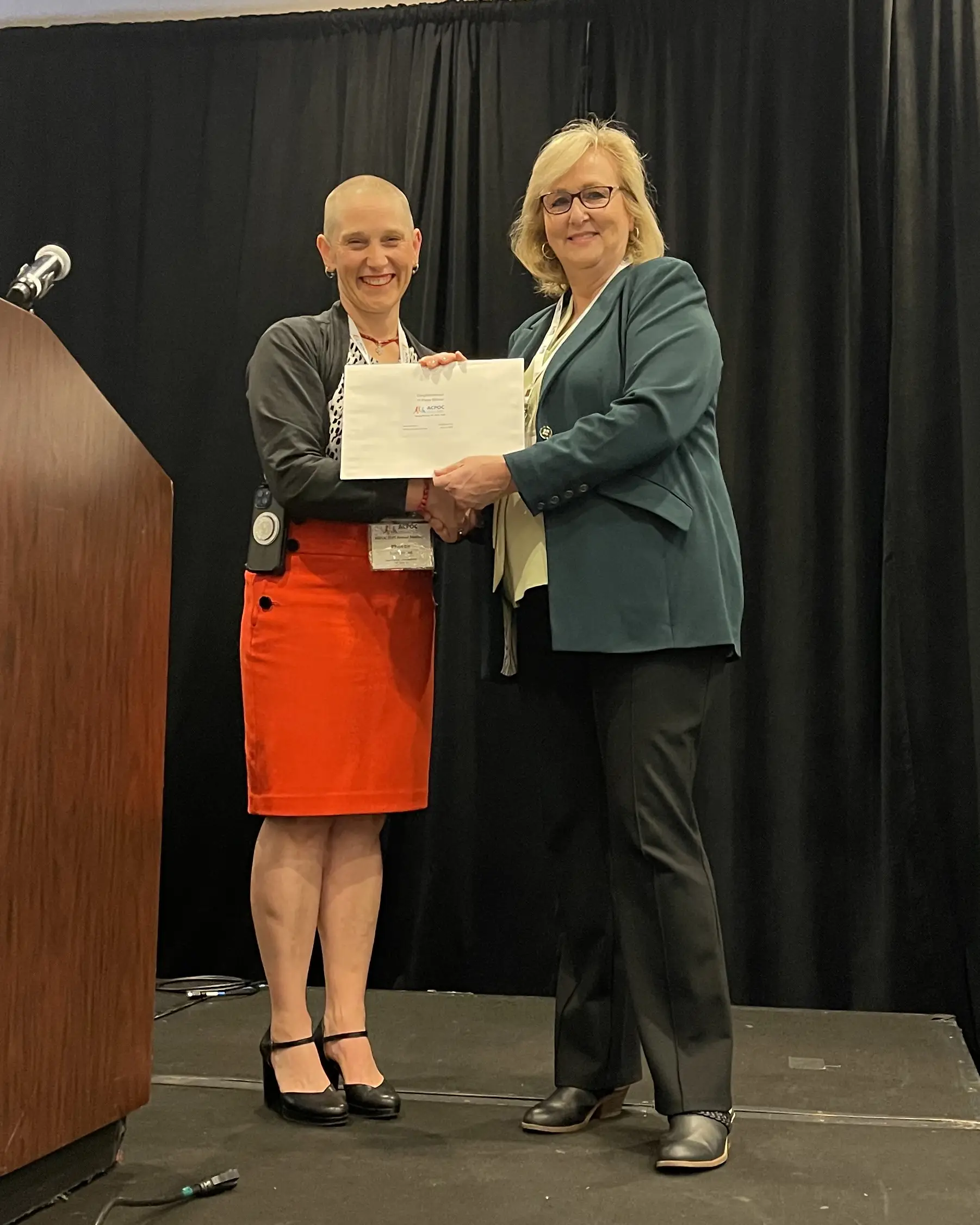
Assistant professor Teresa Pierce won the 2025 ACPOC New Investigator Research Award for her study exploring how optimizing orthoses can improve gait biomechanics and function in children with cerebral palsy.
Hilary Gray, DO '22, conducted research on PCP intoxication in children under five—analyzing national poison control data to better characterize how exposure happens and identify the clinical signs young children show when intoxicated.

Research at PCOM
PCOM aims to develop innovative approaches to promoting health through basic, translational, clinical, behavioral, education and community research projects.
- Explore PCOM's numerous research focus areas.
- Learn about graduate and medical student student research opportunities.
- Read PCOM's peer-reviewed academic publication The Journal of Integrated Primary Care.
- View the College's research plan.