Pharmacy Research
PCOM School of Pharmacy
School of Pharmacy (SOP) faculty members are expected to engage in scholarship consistent with our mission and to expand the scientific knowledge associated with the practice of pharmacy and medicine. PCOM SOP advances biomedical, pharmaceutical and clinical research initiatives that address the evolving needs of patients and society.
Student Research Opportunities
We seek to expose students to many different aspects of pharmacy practice and the pharmaceutical sciences, including clinical and basic research. Students work closely with faculty to develop and support individual student growth and engagement in research. Research may be undertaken during the academic year, over the summer and as projects conducted as part of APPEs during the fourth professional year, as well as non-curricular work based opportunities. Non-curricular opportunities can be funded through the Federal Work Study (FWS) program for students with financial need, allowing them to earn money to help pay education expenses.
Pharmaceutical Sciences Research
Central to the mission of the Department of Pharmaceutical Sciences is academic and research training of students. PCOM students participate in research with faculty through the federal work-study program, as volunteers, through the Graduate Program tracks and APPE elective rotations.
Well-equipped laboratory space facilitates the research interests of the faculty and provides scholarship opportunities to students across diverse areas including autoimmune, cardiovascular, neuroscience and neurodegenerative diseases, cancer and the molecular basis for treatment, drug development and target identification, the use of natural products to fight cancer, obesity, hepatoregeneration, cardiovascular regulation and disease, biomedical imaging, biomarker identification and translational bioinformatics.
Pharmacy Practice Research
The focus of the Department of Pharmacy Practice is on creating, through research, and disseminating in the literature, scientific knowledge about the effective, safe, and economical use of medications. Within the department, practicing clinicians focus on evaluation of drug regimens and clinical outcomes of patients through partnerships with individual hospitals, hospital systems, and outpatient clinics. Administrative and social science faculty within the department utilizes extensive corporate and governmental databases to evaluate disease state, medication usage, hospitalizations and pharmacoeconomic considerations based on individual treatment regimens. Students have opportunity to work with departmental faculty on research projects, presenting results as well as manuscript production.
Part of the mission of the department is to educate and train students to become clinicians and enter the profession of pharmacy. To this end, faculty also engages in research of teaching, learning and education to improve pharmacy education in the classroom, teaching skills laboratories, and experiential rotations.
Solving Real World Problems Through Pharmacy Research



Student Pharmacy Research Highlights
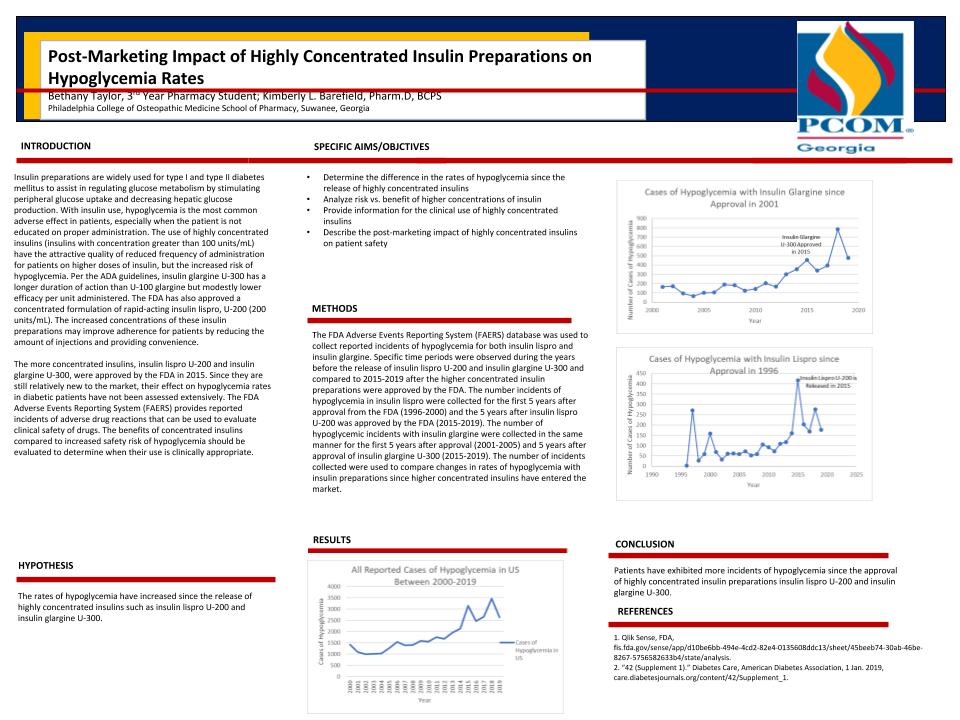
Post-Marketing Impact of Highly Concentrated Insulin Preparations on Hypoglycemia Rates
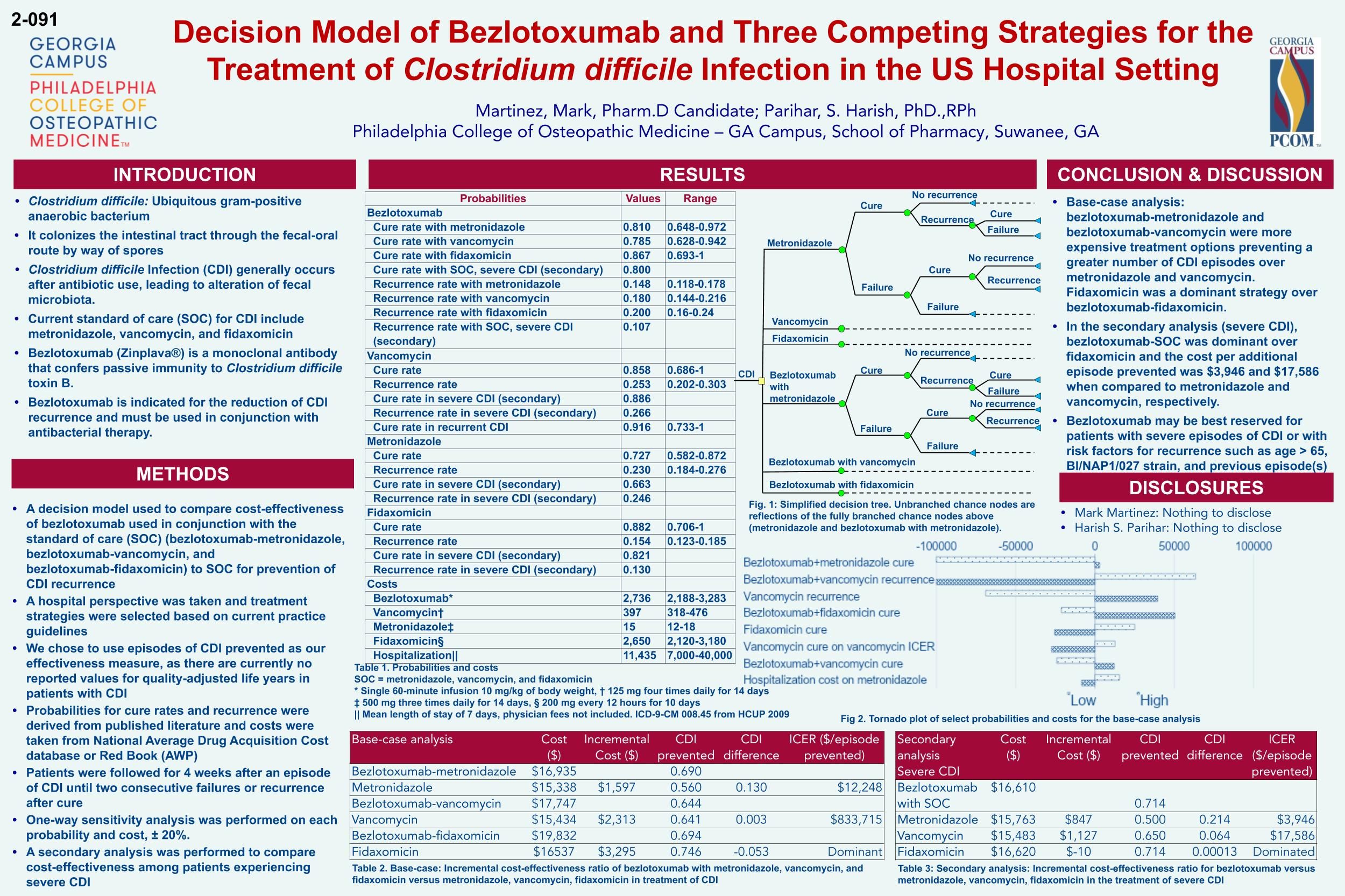
Decision Model of Bezlotoxumab and Three Competing Strategies for the Treatment of Clostridium Difficile Infection
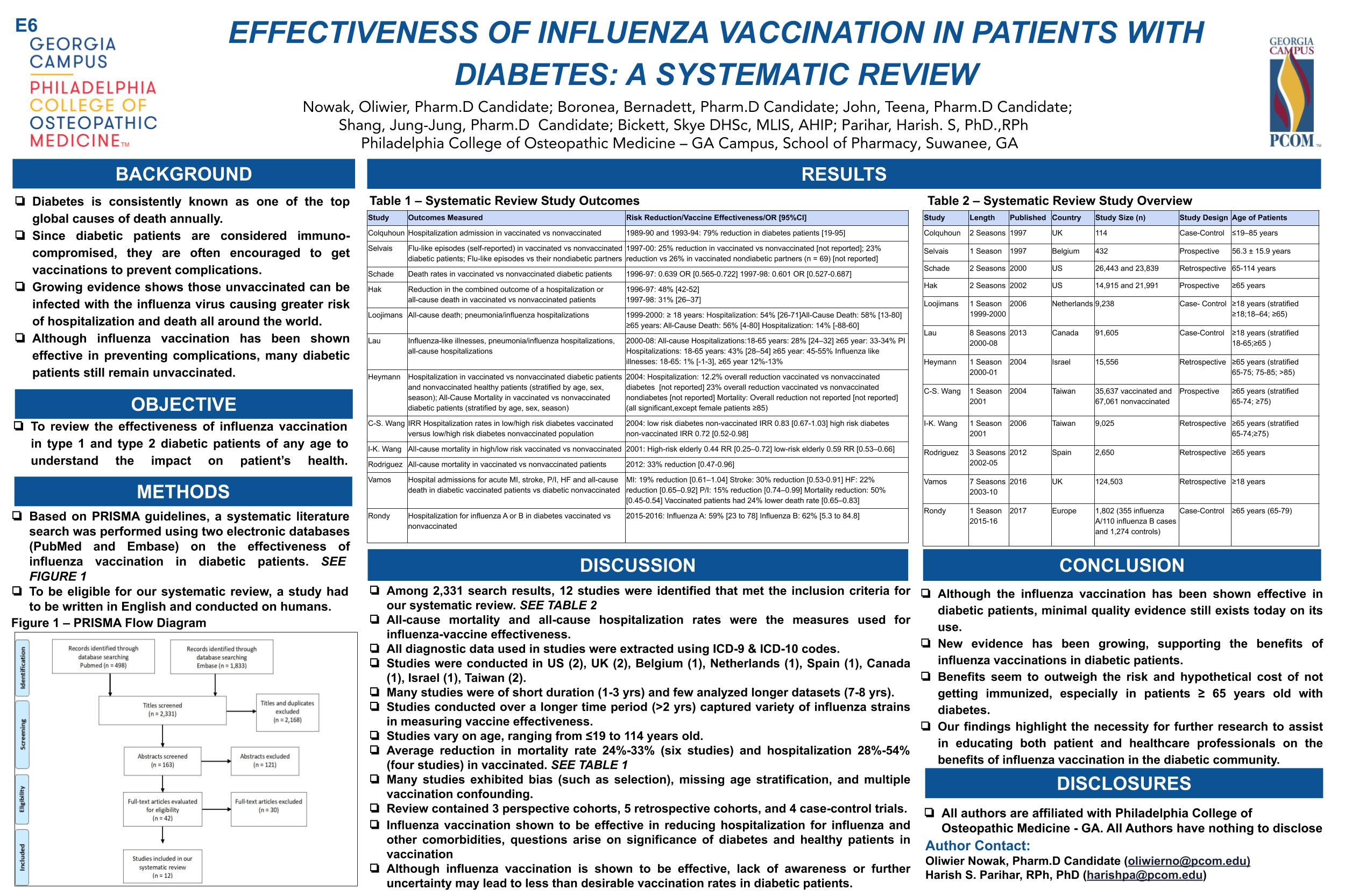
Effectiveness of Influenza Vaccination in Patients With Diabetes: A Systematic Review
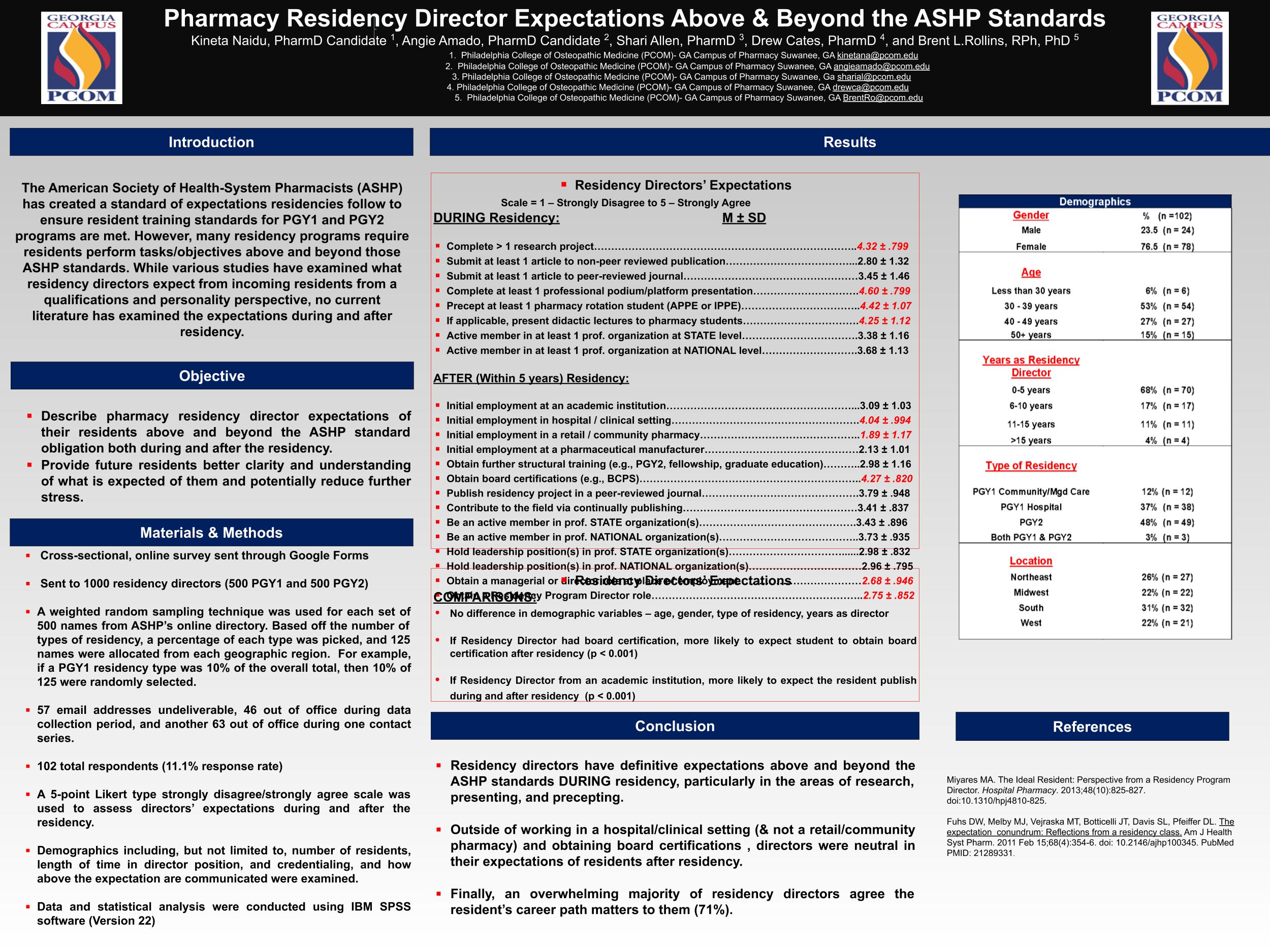
Pharmacy Residency Director Expectations Above and Beyond the ASHP Standards

Effect of Ezetimibe Added to High-intensity Statin Therapy in Patients with Hypercholesterolemia: A Meta-Analysis
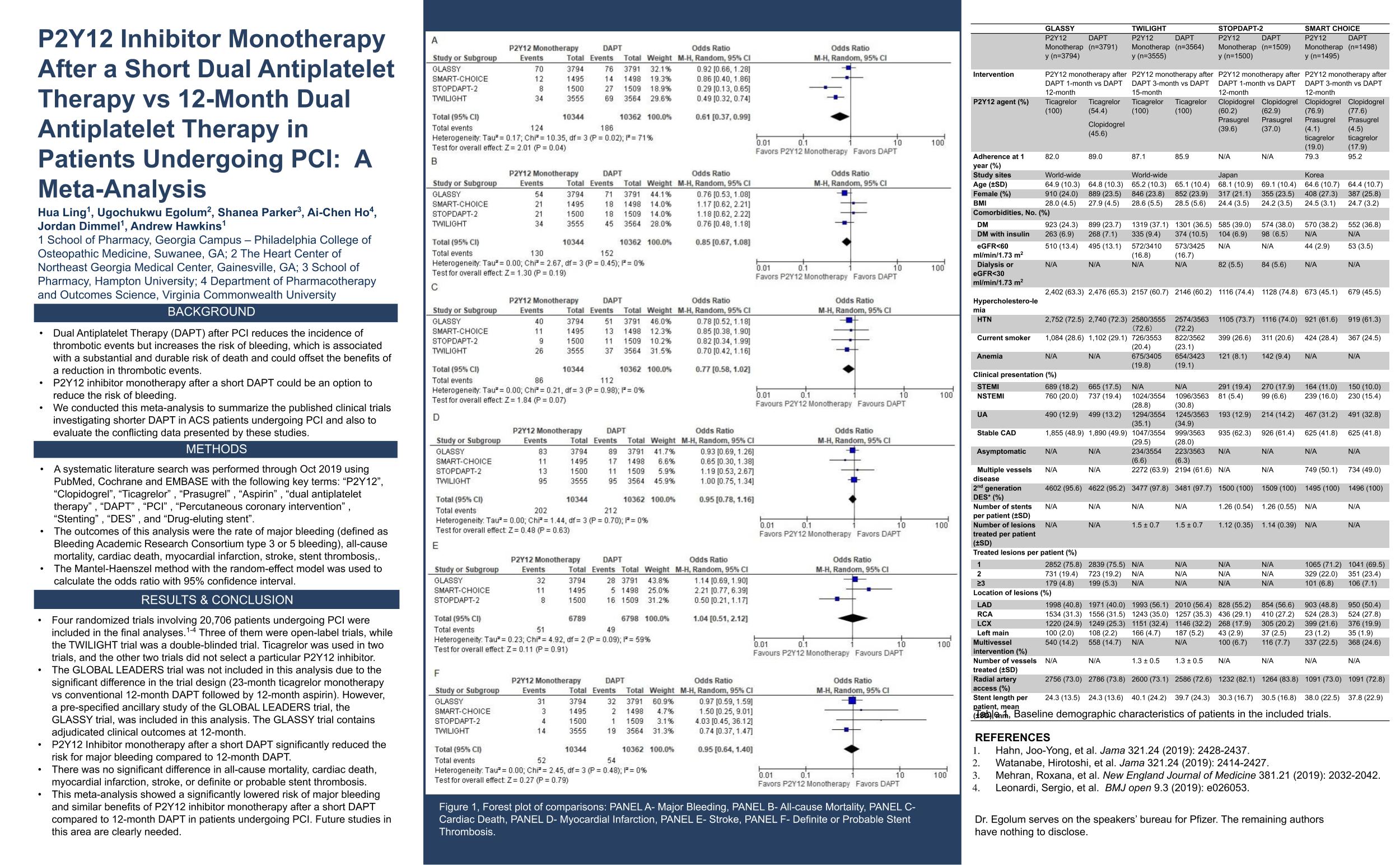
P2Y12 Inhibitor Monotherapy After a Short Dual Antiplatelet Therapy
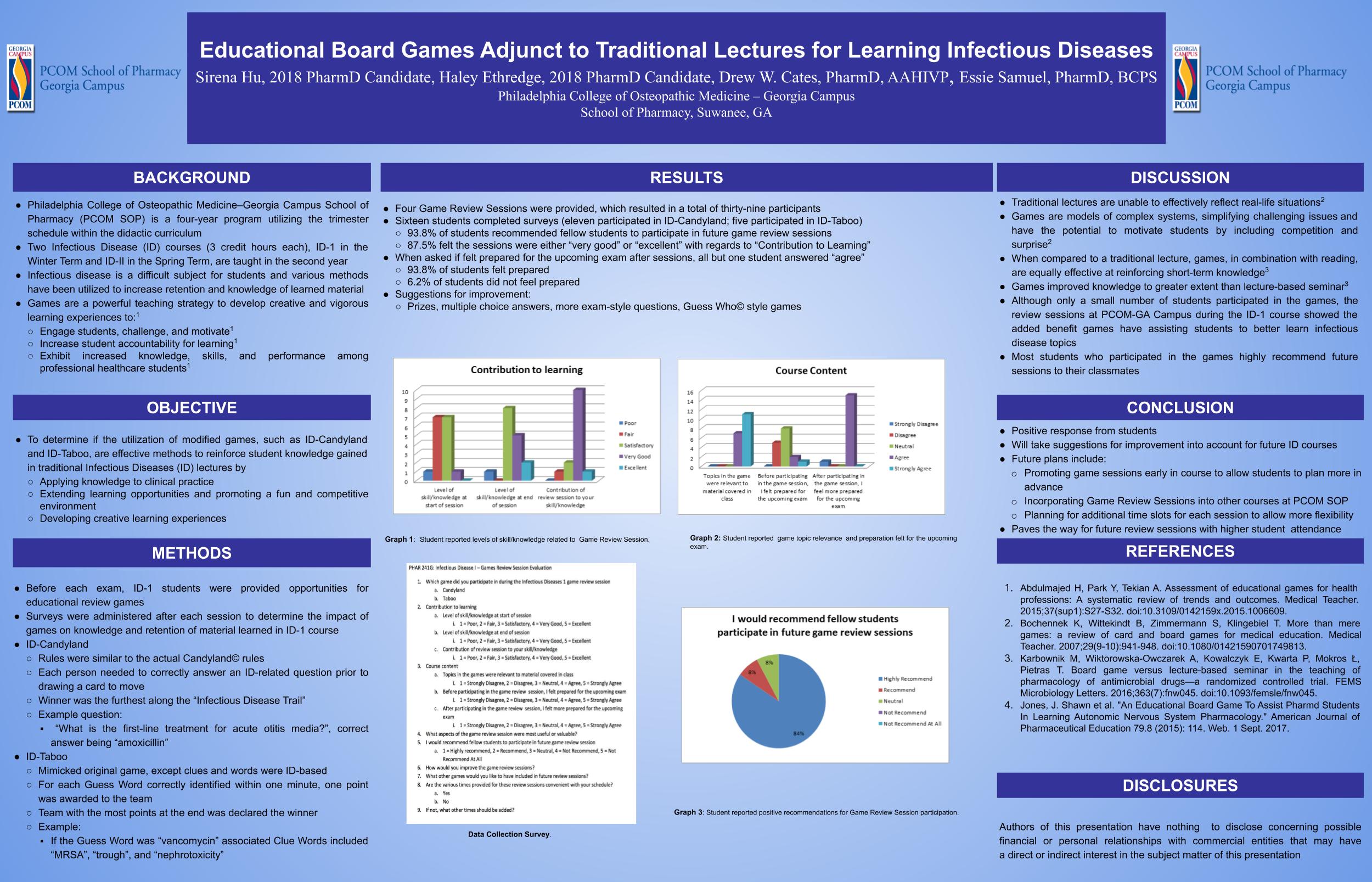
Educational Board Games Adjunct to Traditional Lectures for Learning Infectious Diseases
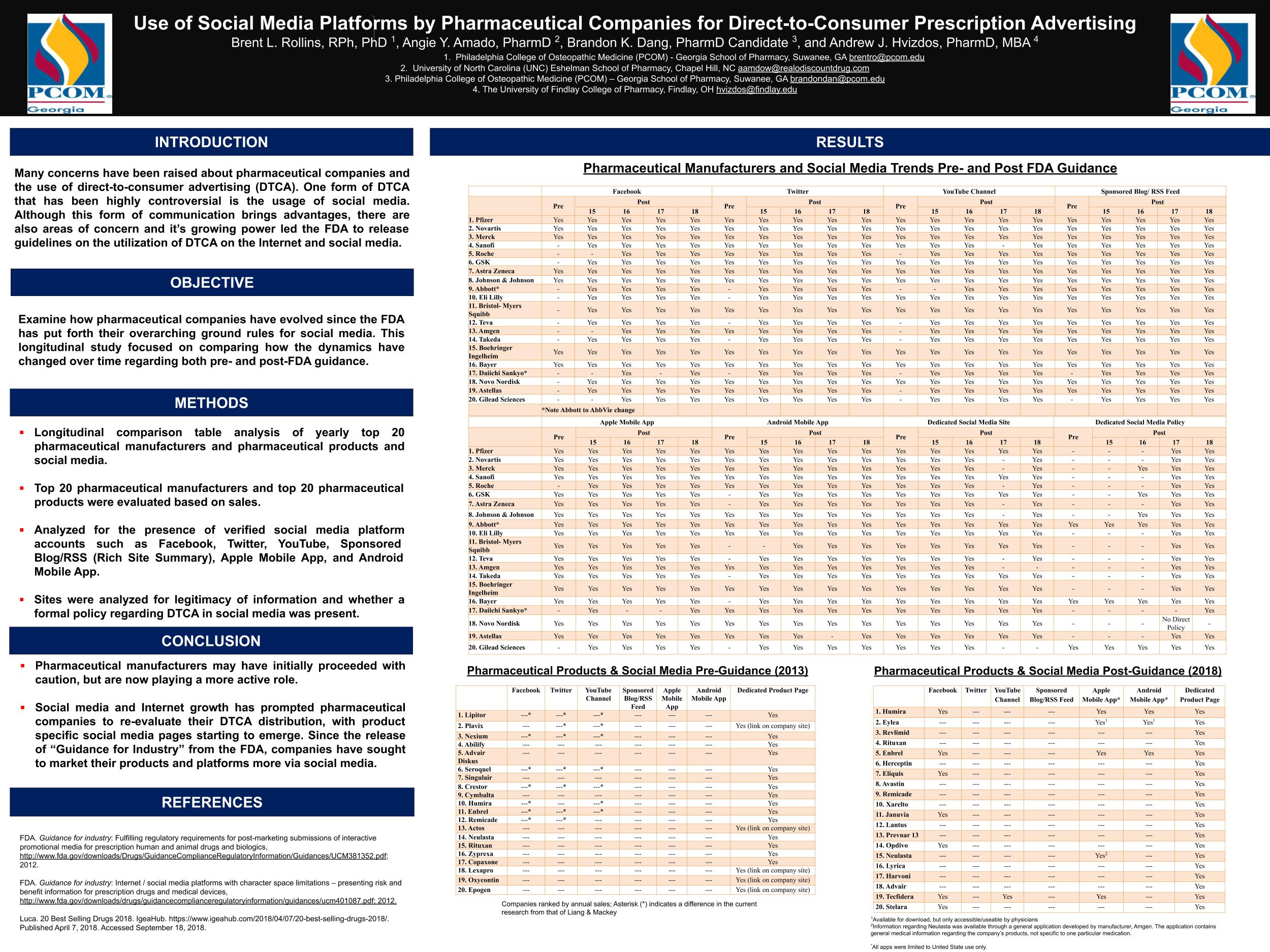
Use of Social Media Platforms by Pharmaceutical Companies for Direct-to-Consumer Prescription Advertising
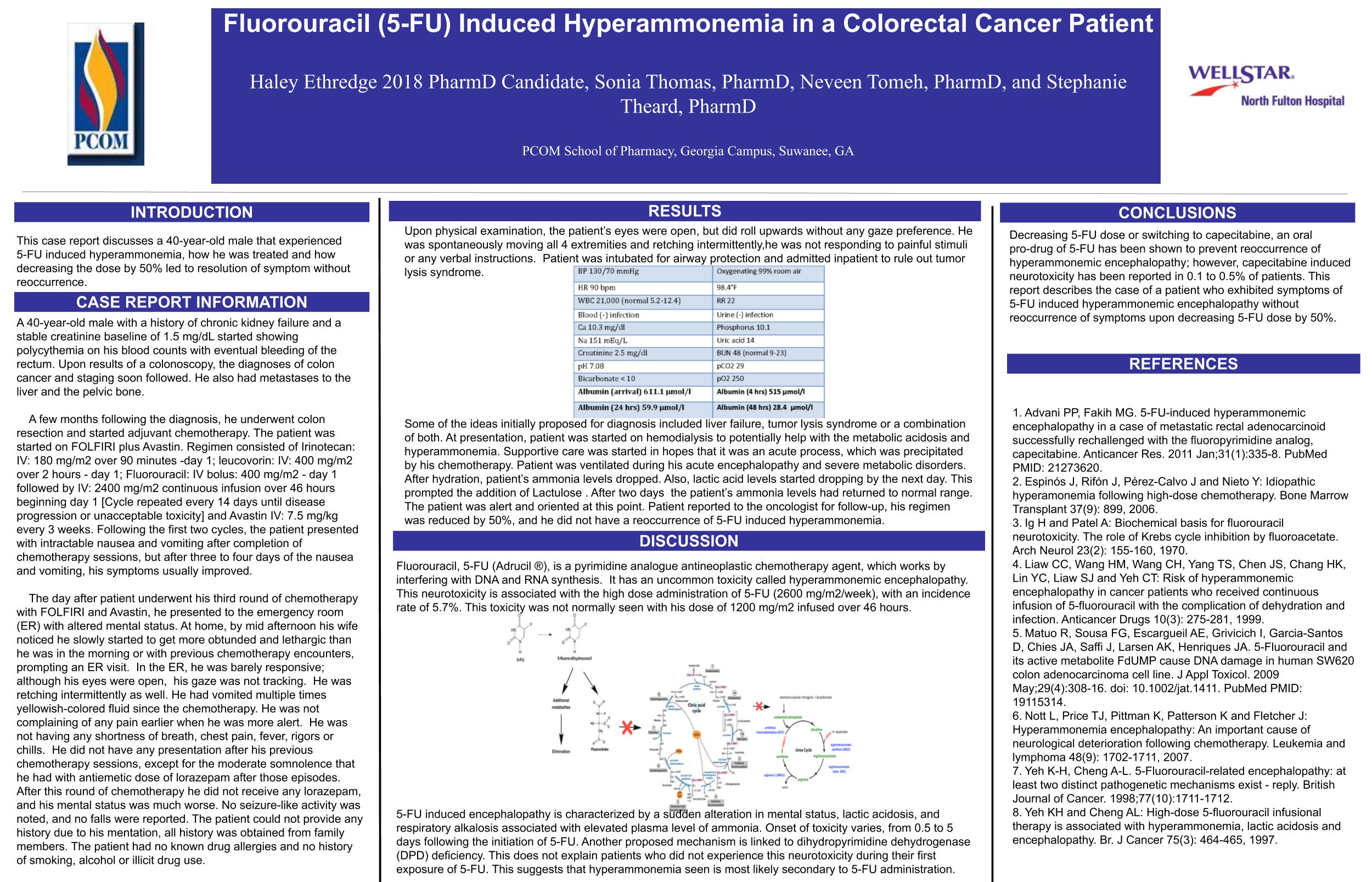
Fluorouracil (5-FU) Induced Hyperammonemia in a Colorectal Cancer Patient
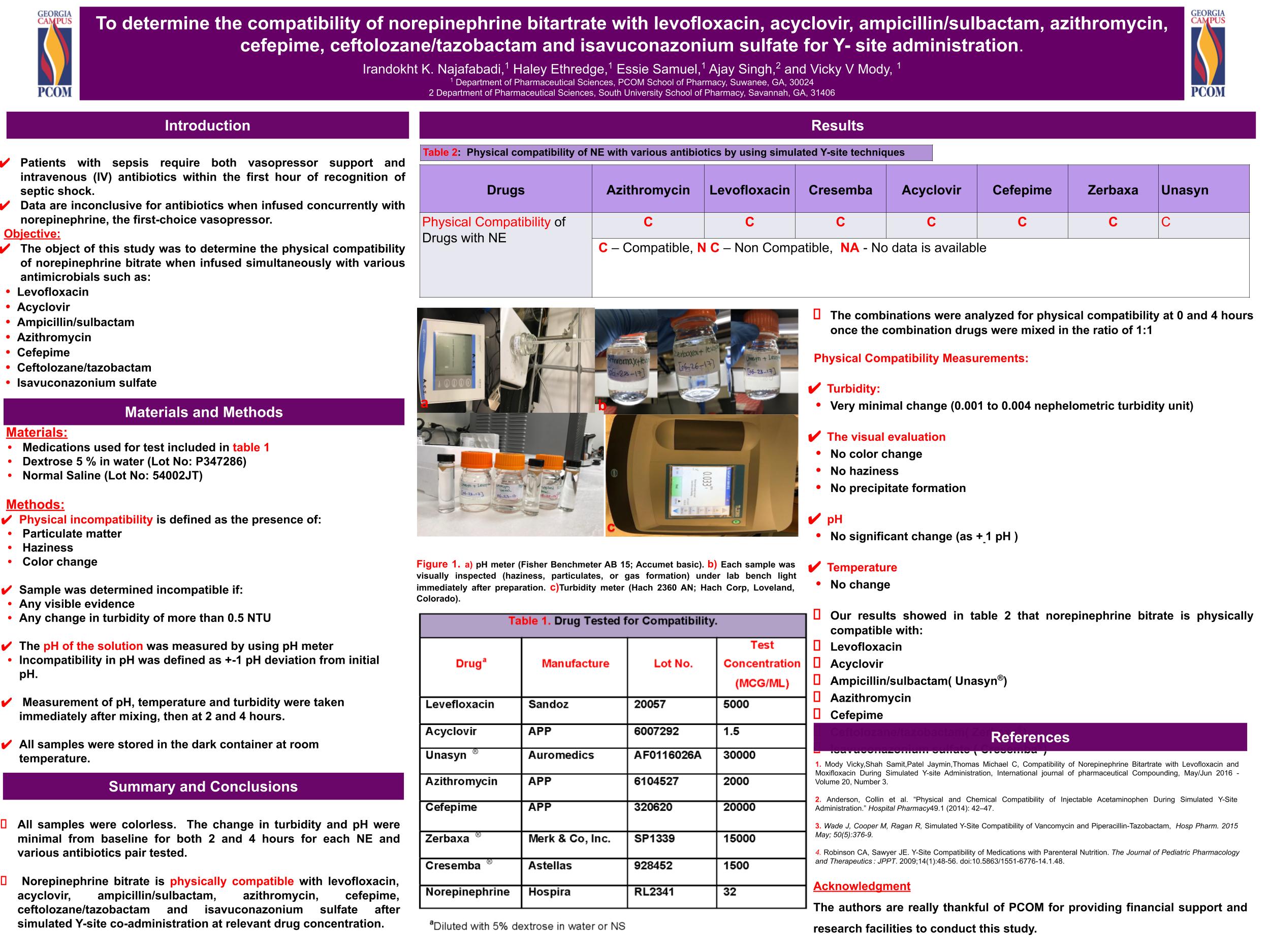
To Determine the Compatibility of Norepinephrine Bitartrate When Infused Simultaneously With Various Antimicrobials
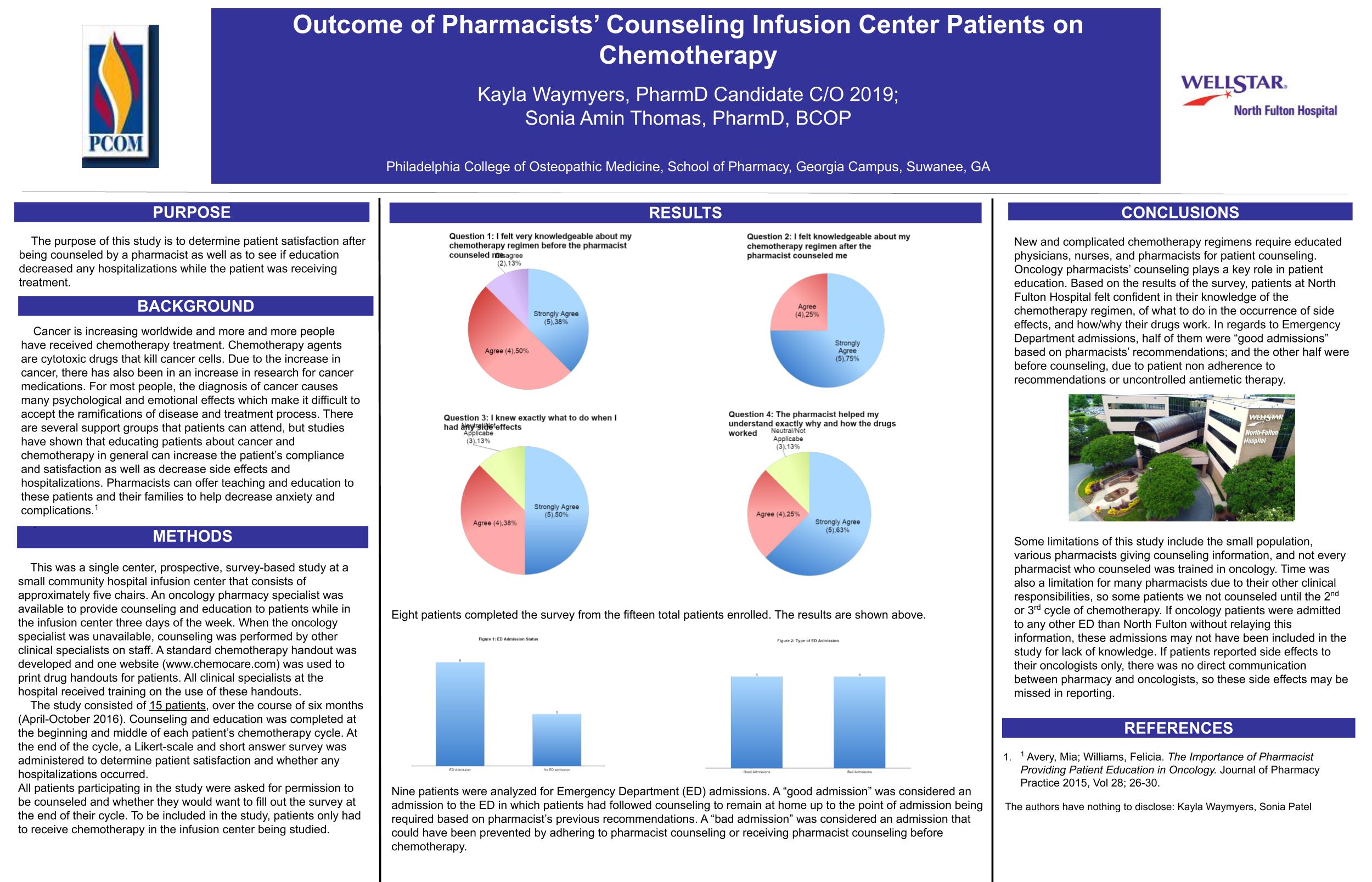
Outcome of Pharmacists’ Counseling Infusion Center Patients on Chemotherapy
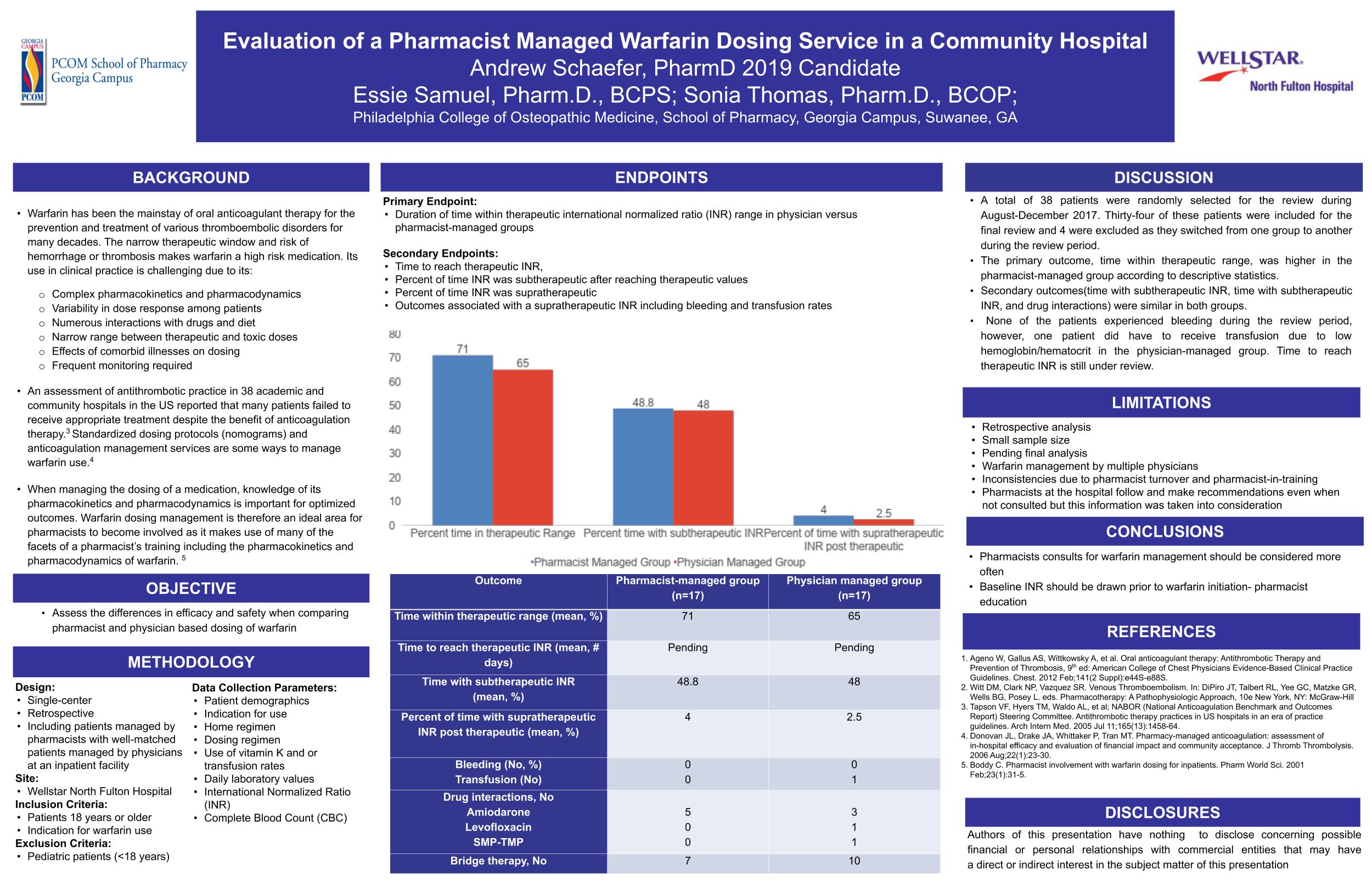
Evaluation of a Pharmacist Managed Warfarin Dosing Service in a Community Hospital
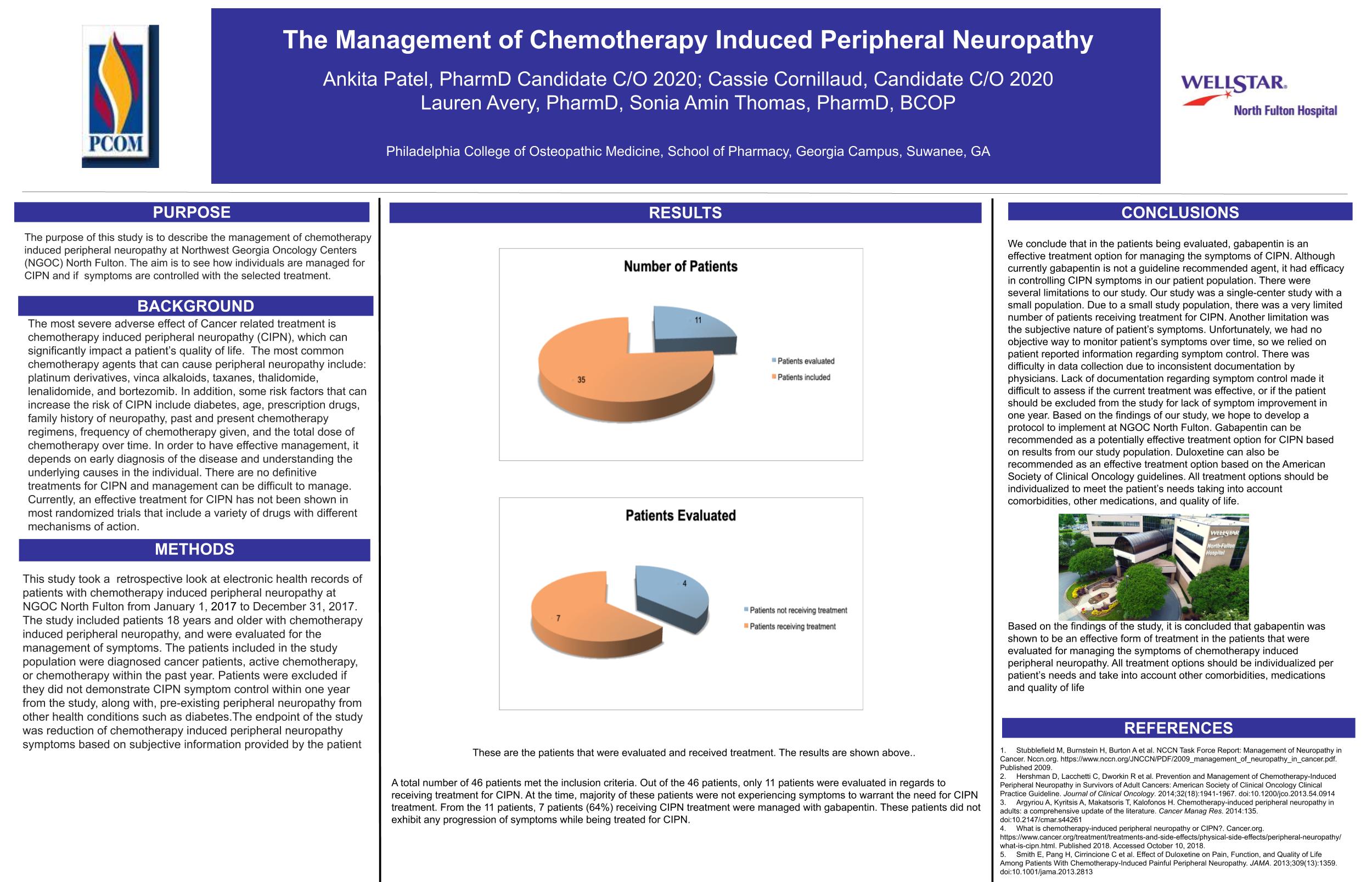
The Management of Chemotherapy Induced Peripheral Neuropathy
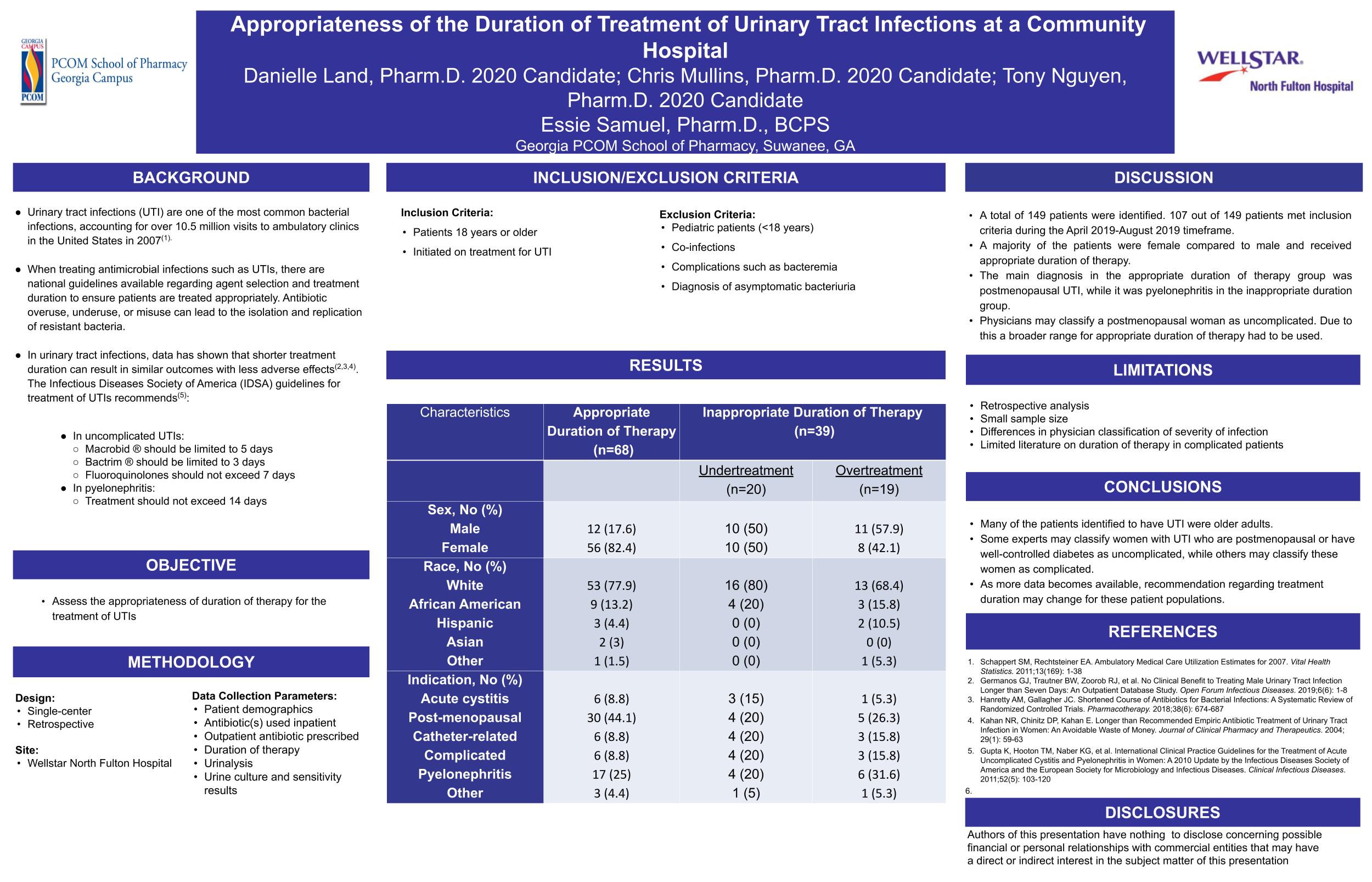
Appropriateness of the Duration of Treatment of Urinary Tract Infections at a Community Hospital
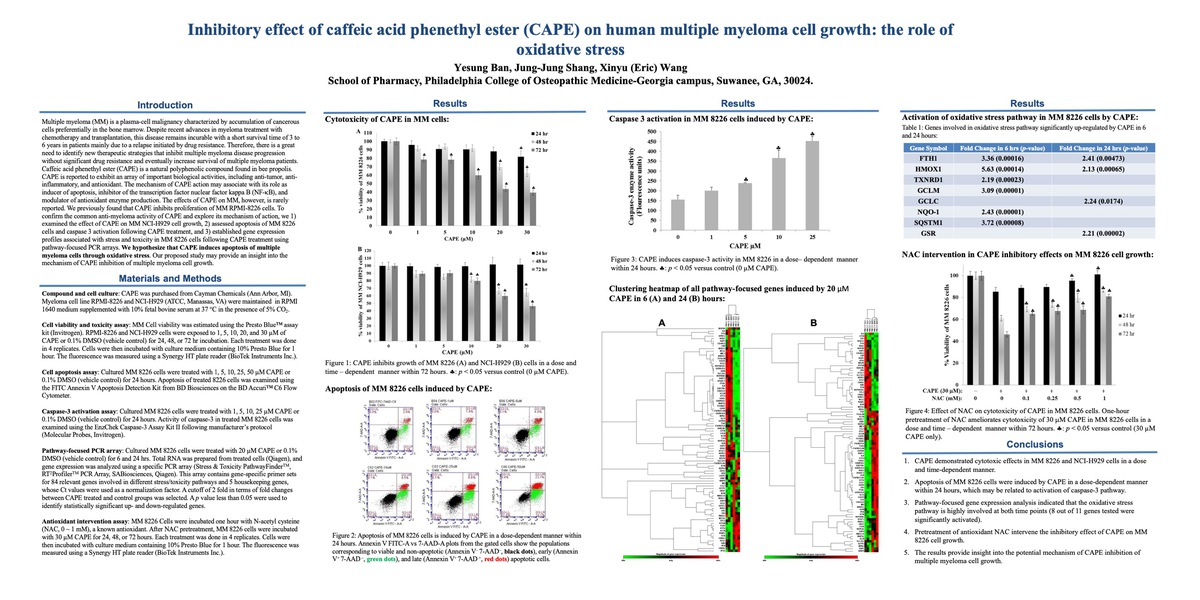
Inhibitory Effect of Caffeic Acid Phenethyl Ester (CAPE) On Human Multiple Myeloma Cell Growth
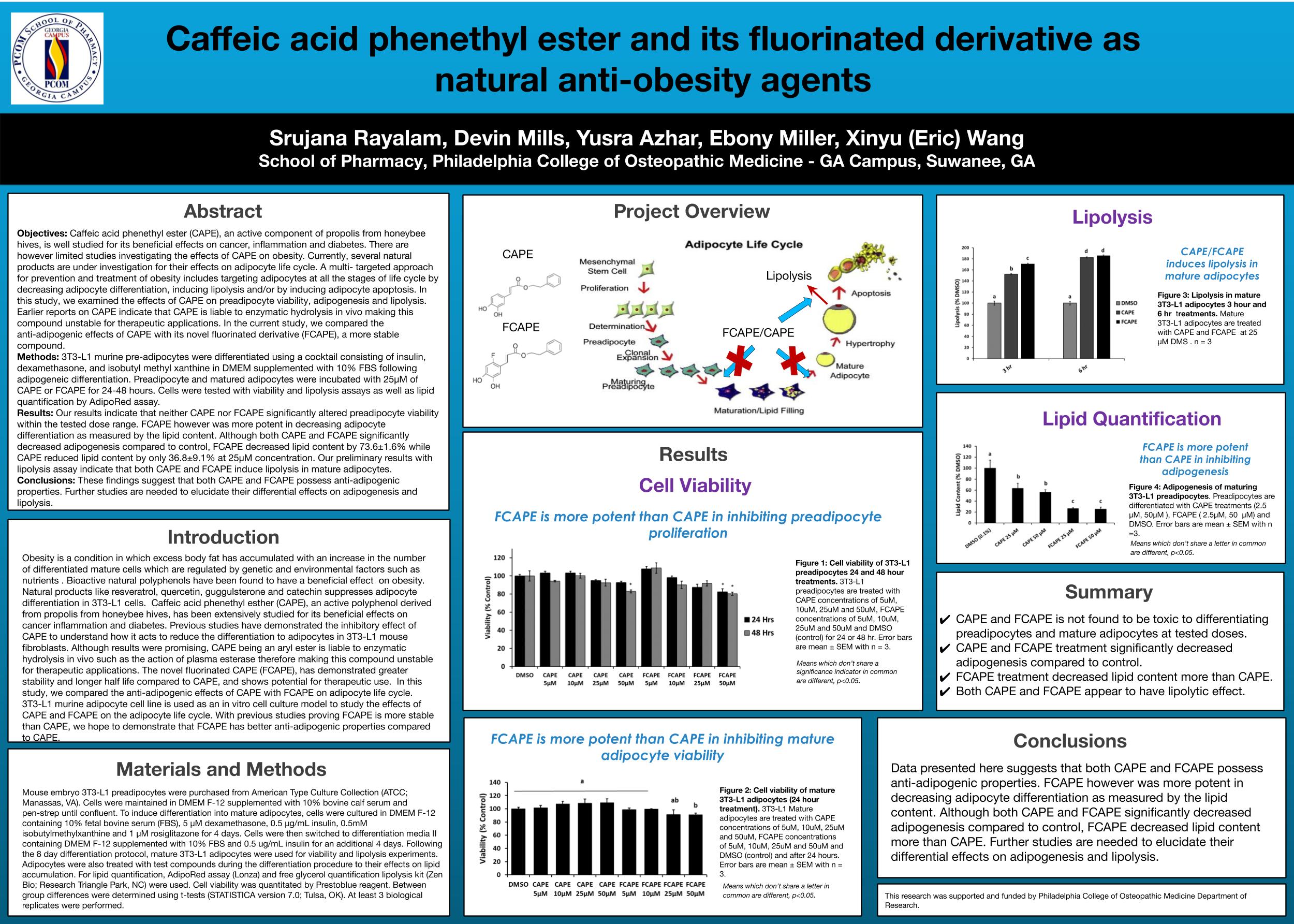
Caffeic Acid Phenethyl Ester And Its Fluorinated Derivative As Natural Anti-obesity Agents
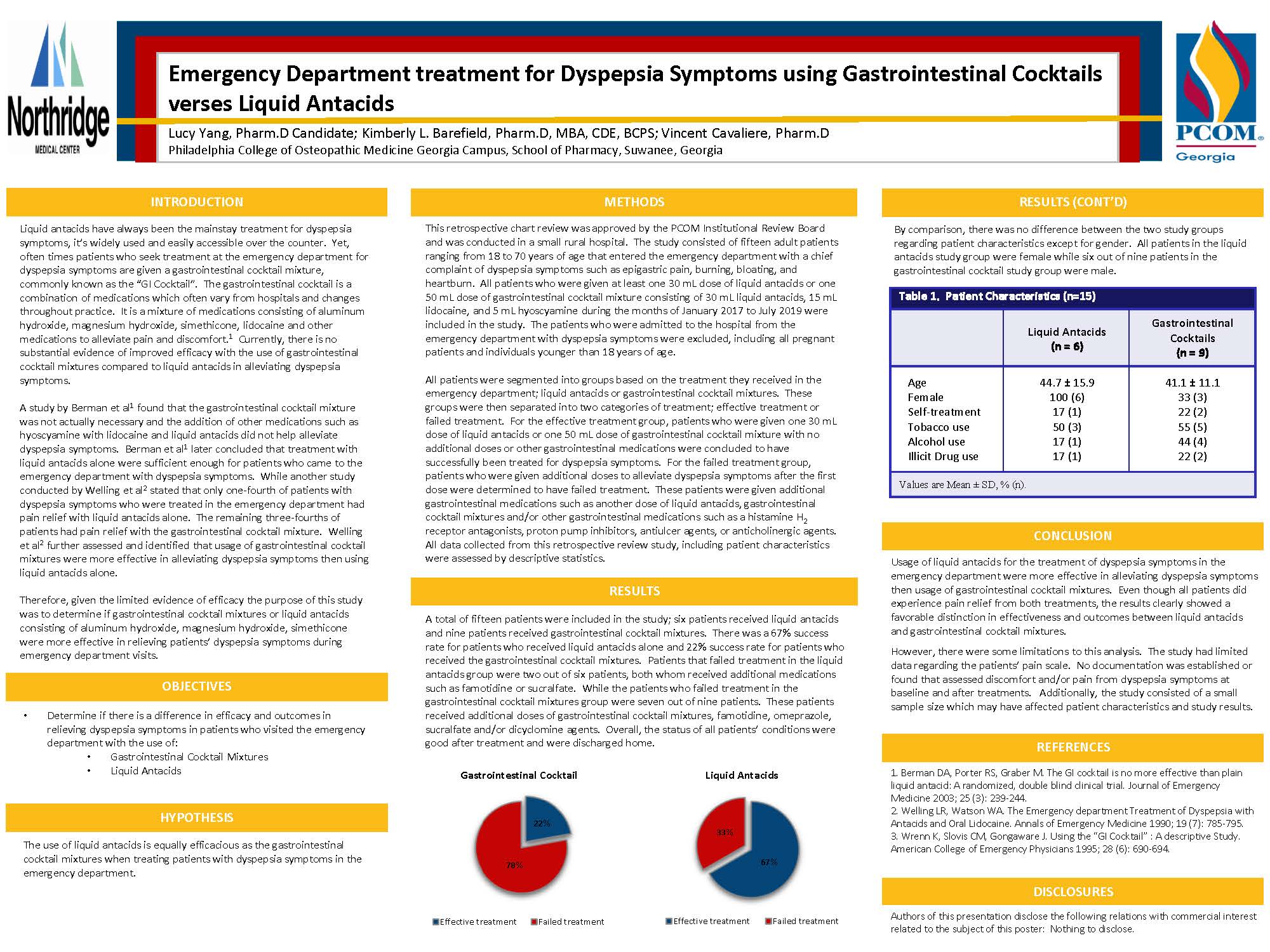
Emergency Department Treatment For Dyspepsia Symptoms Using Gastrointestinal Cocktails Verses Liquid Antacids
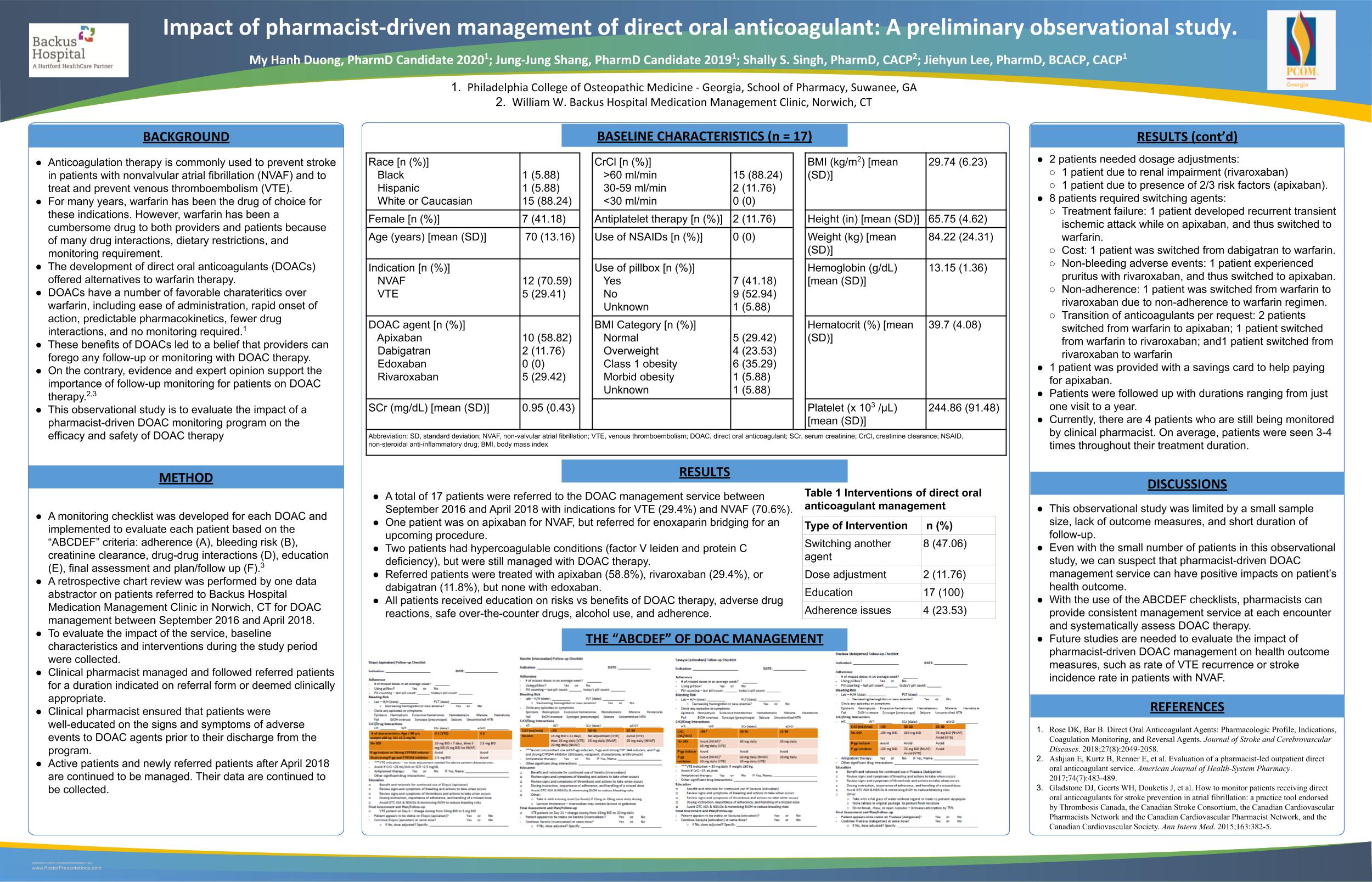
Impact of Pharmacist-driven Management of Direct Oral Anticoagulant: A Preliminary Observational Study
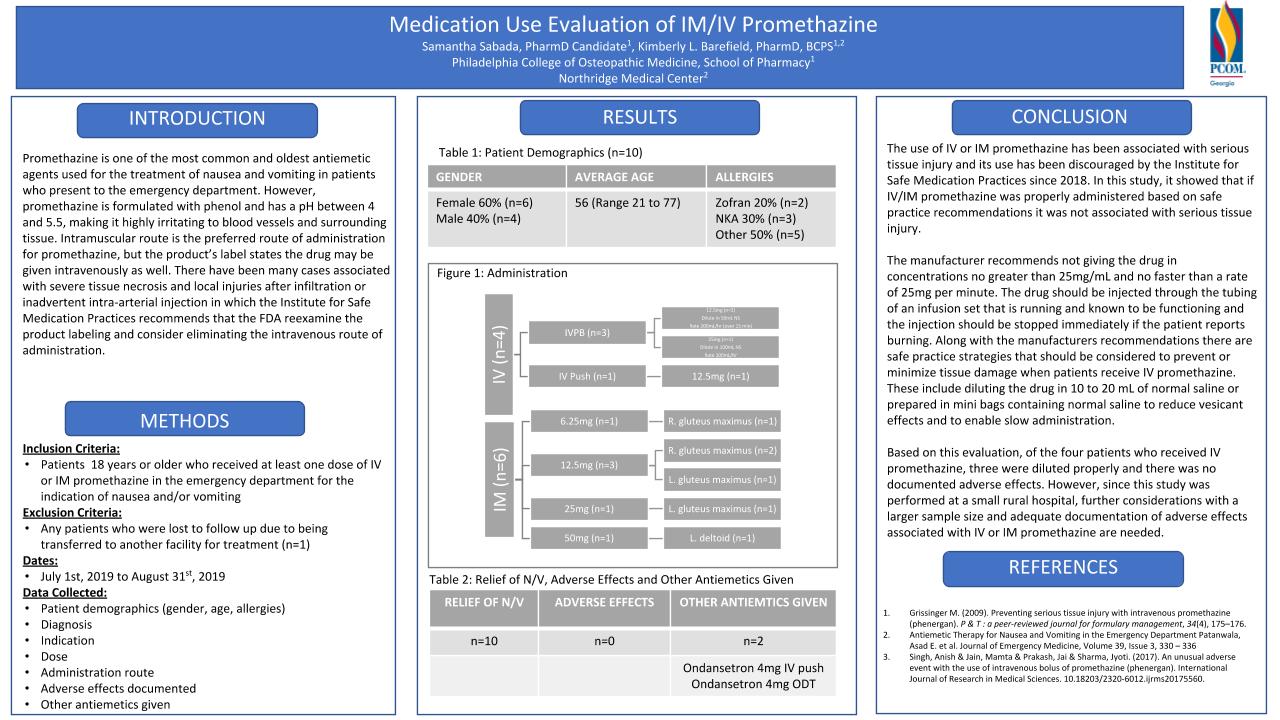
Medication Use Evaluation of IM/IV Promethazine
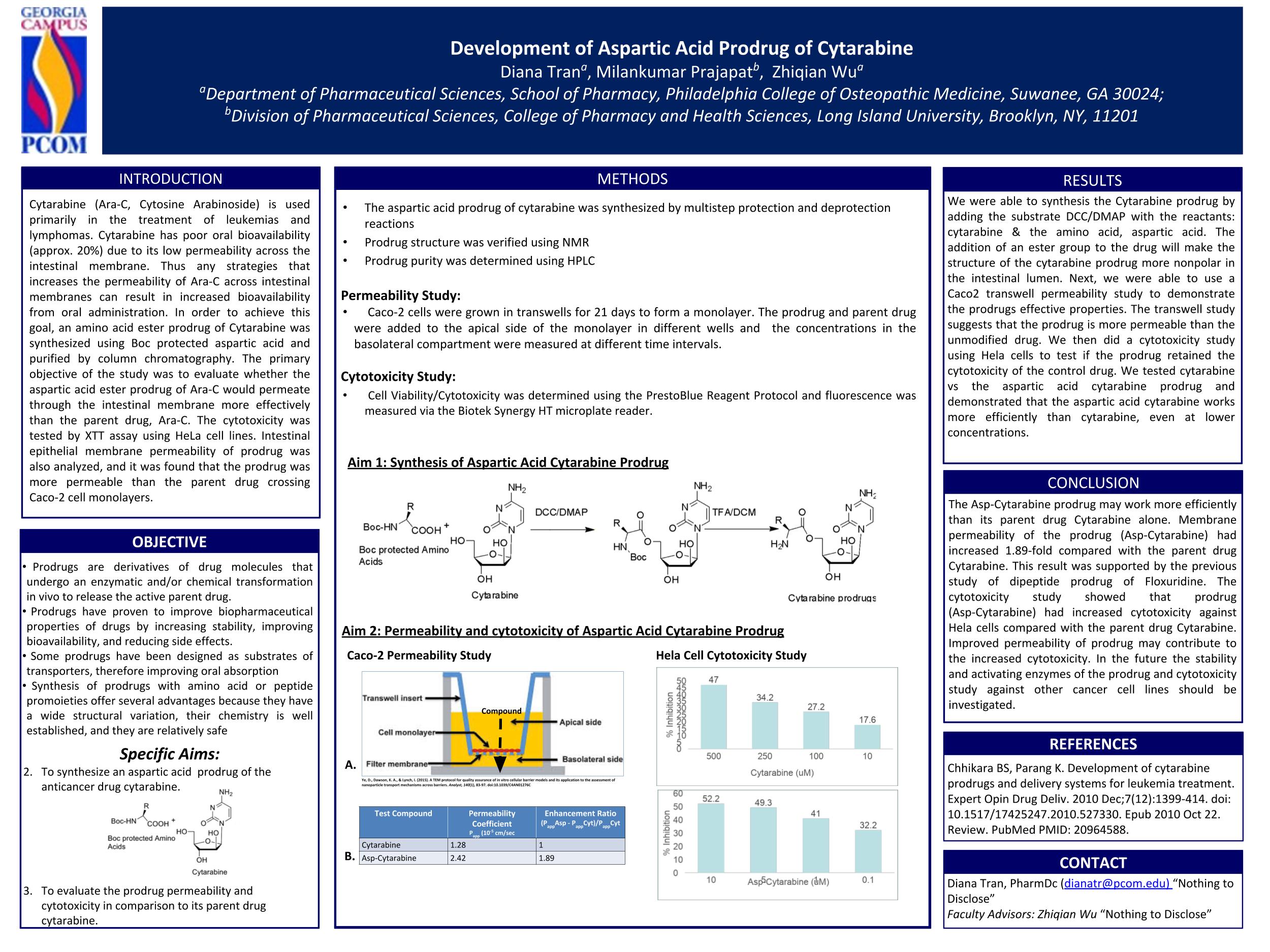
Development of Aspartic Acid Prodrug of Cytarabine
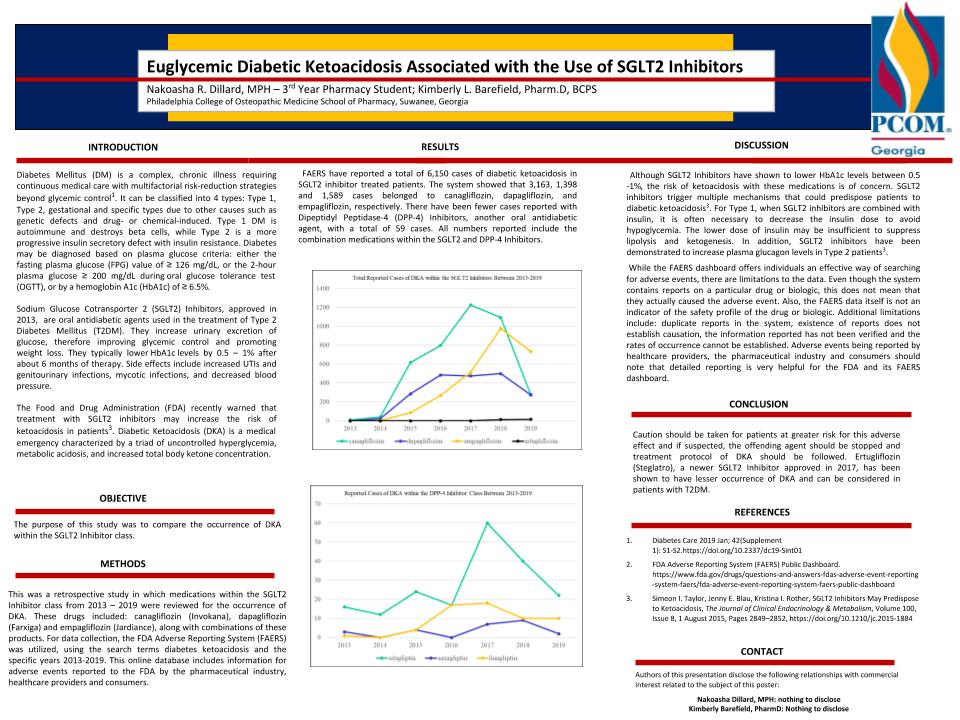
Euglycemic Diabetic Ketoacidosis Associated with the Use of SGLT2 Inhibitors
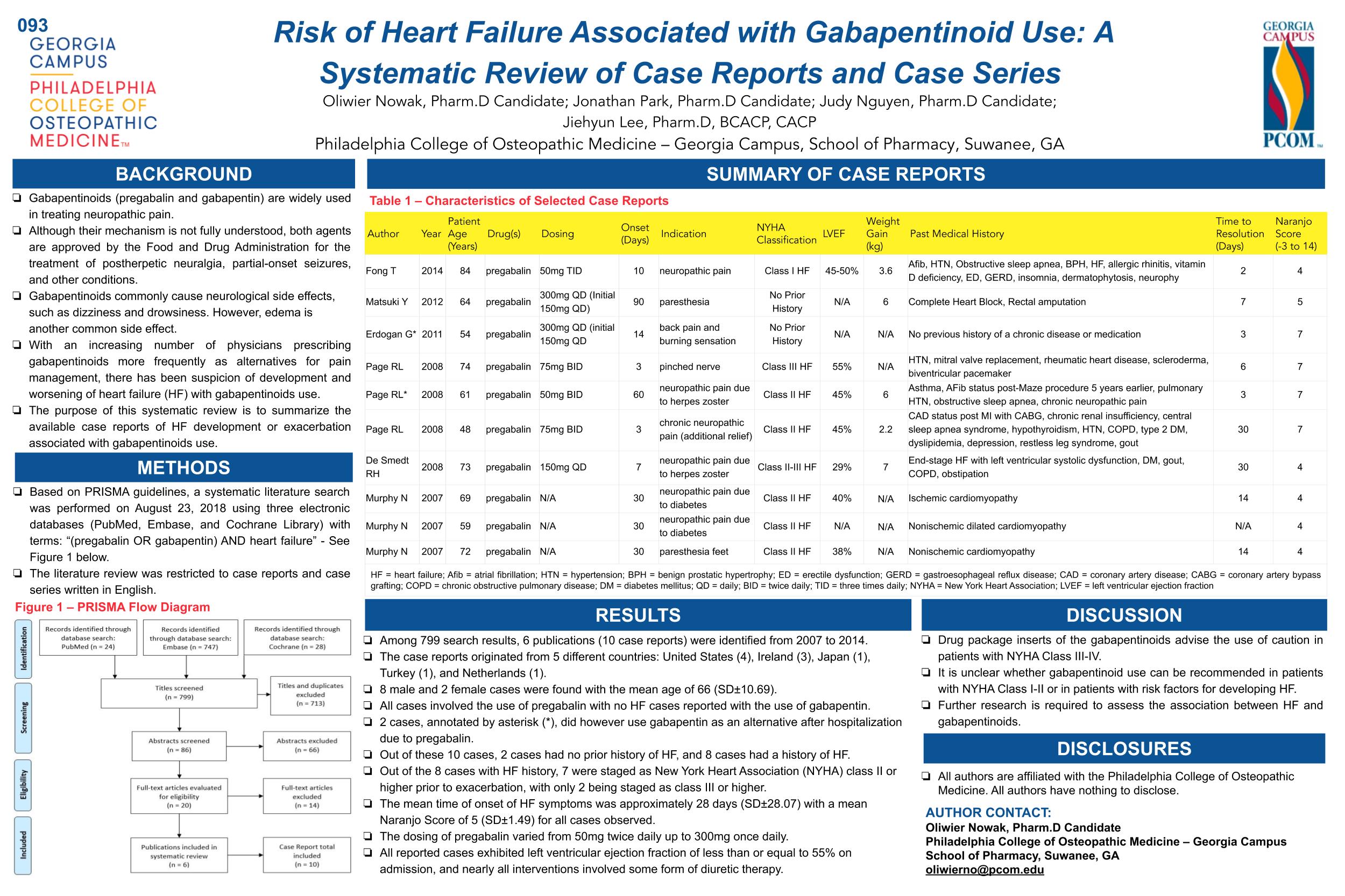
Risk of Heart Failure Associated with Gabapentinoid Use
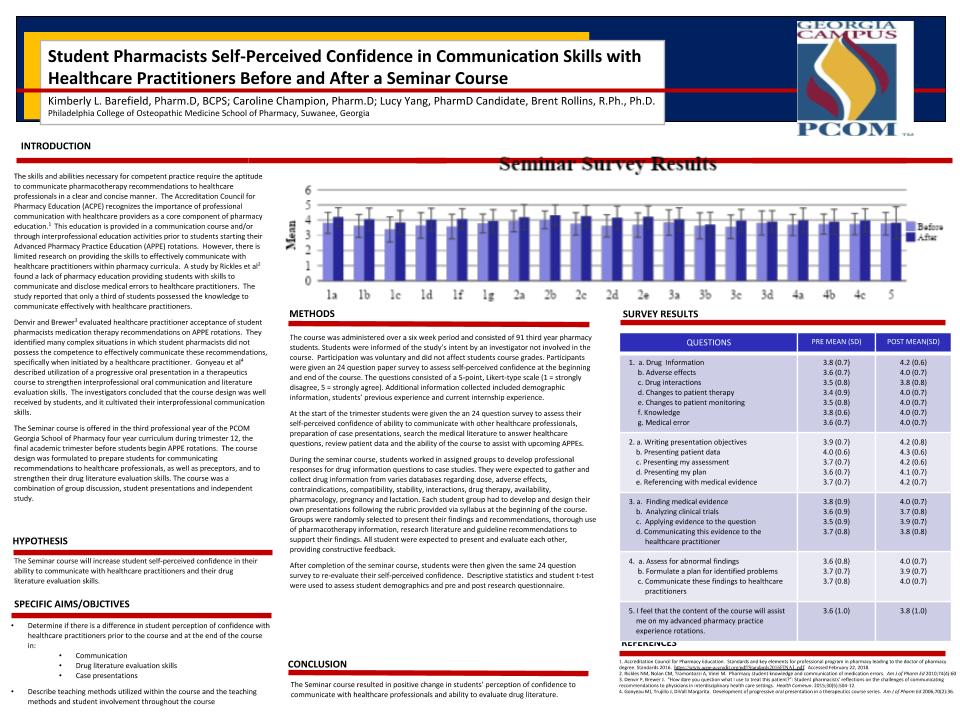
Student Pharmacists Self-Perceived Confidence in Communication Skills with Healthcare Practitioners
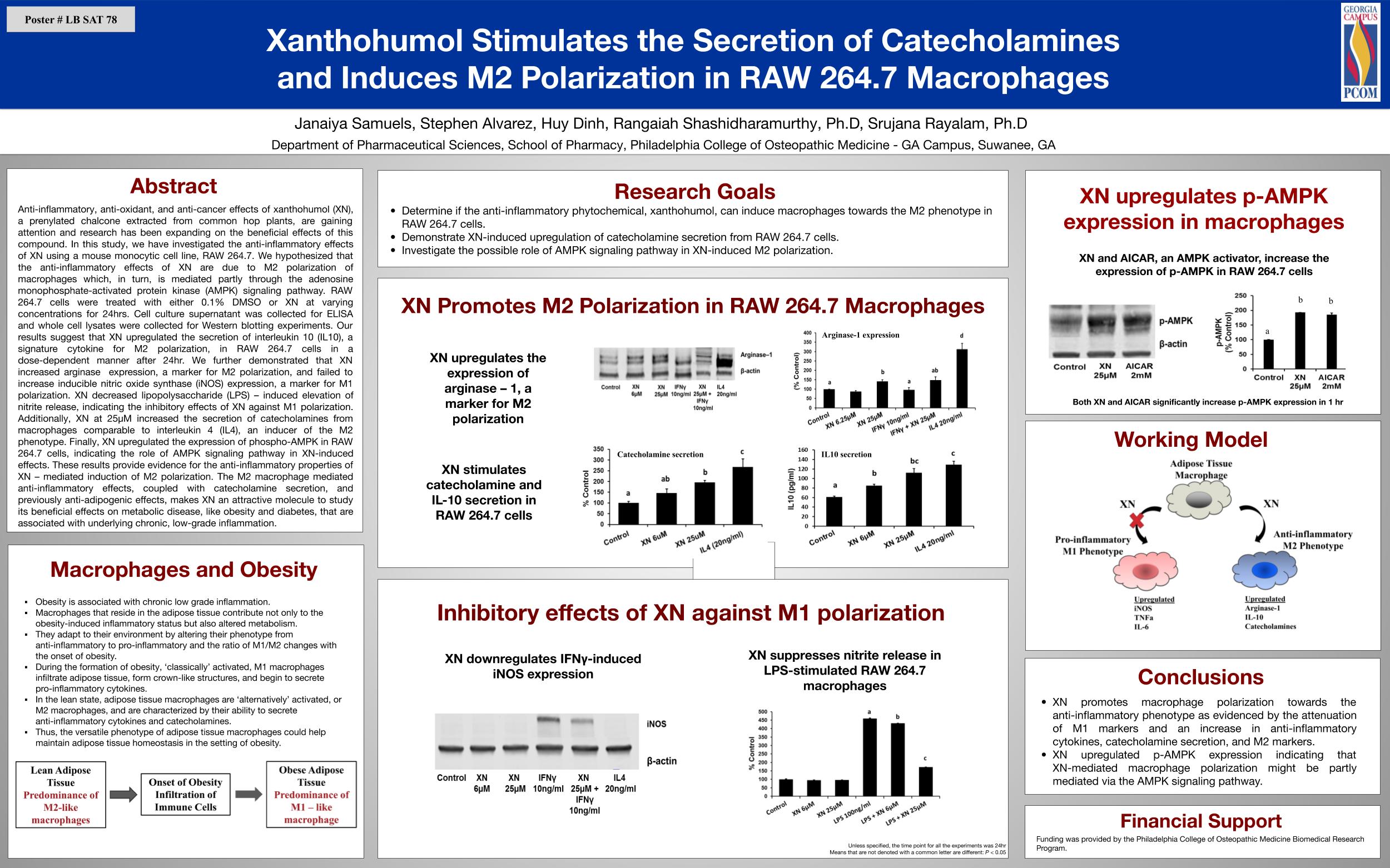
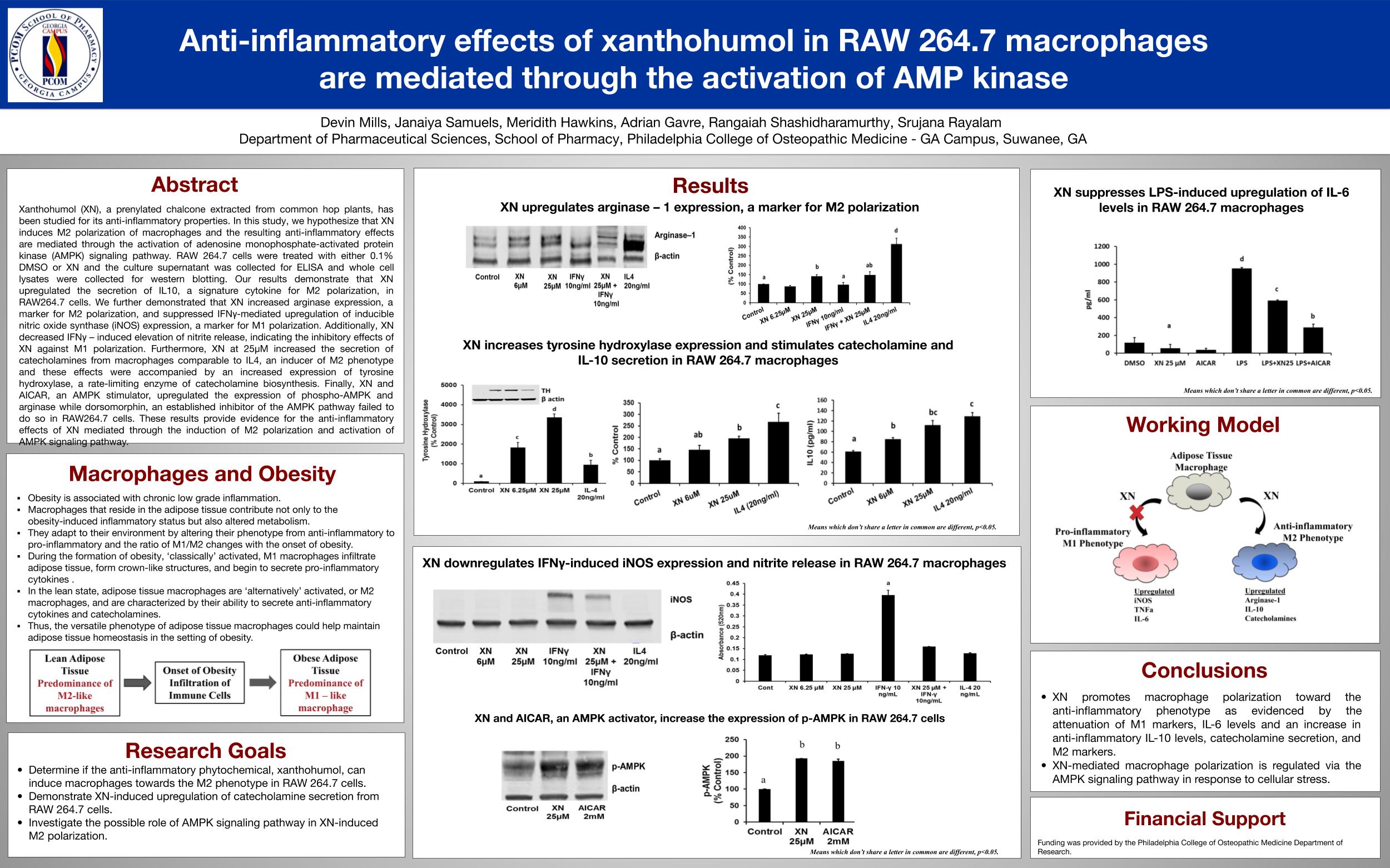
Xanthohumol Stimulates the Secretion of Catecholamines