
Stay up to date with the latest stories and news from PCOM on Google.
Add us on GoogleWhat To Know About GLP-1 Medications and Alcohol Use
Insights From a Pharmacist
September 28, 2026
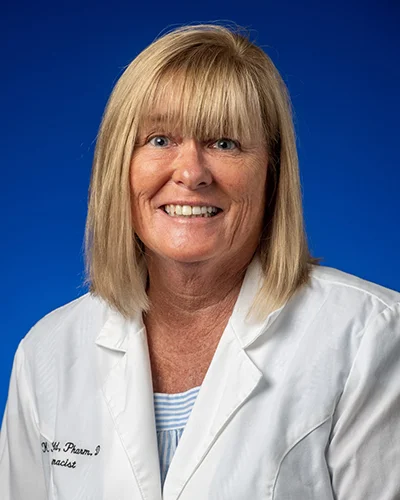
Early research is examining whether glucagon-like peptide-1 (GLP-1) medications do more than just help with weight loss, with a specific look at its impact in reducing alcohol cravings, consumption and help with Alcohol Use Disorder (AUD). Kimberly L. Barefield, PharmD, MHA, director of interprofessional education and professor of pharmacy practice at PCOM Georgia, lends her insights on the medication, current findings and what researchers are still aiming to understand.
How do oral GLP-1 medications for obesity work, and how are their dosing requirements different from injectable GLP-1s?
GLP-1 receptors are found throughout the body, but they’re particularly effective for treating obesity because they promote a feeling of fullness in the brain, slow down stomach emptying, and help the body manage blood sugar better. These medications also affect the gut-brain axis and can influence reward pathways and dopamine signaling, which are involved in cravings and addiction.
The doses differ between oral and injectable medications mainly because of bioavailability—the proportion of a medication that reaches the bloodstream and becomes available to the body. Injectable GLP-1s, such as semaglutide, have higher bioavailability because they are absorbed beneath the skin, avoiding the digestive system entirely, which allows for a greater amount of the medication to enter systemic circulation.
Could alcohol consumption interfere with the oral GLP-1s efficacy?
Based on current evidence, moderate alcohol intake doesn’t seem to interfere with the absorption or effectiveness of oral GLP-1 medications, and the FDA labeling for these drugs doesn’t include warnings about drinking alcohol while on them. It’s worth noting, though, that GLP-1 medications can cause pancreatitis (which is rare, less than 1%), and alcohol use is a known risk factor of pancreatitis. Heavy drinking or binge episodes can increase this risk, especially over the long term. Also, ingesting alcohol can make some gastrointestinal side effects of the medications, such as nausea, vomiting, reflux, and diarrhea, much worse.
What does current research say about GLP-1's impact in reducing alcohol cravings and consumption?
Some research with injectable semaglutide has shown reductions in the number of drinks per day, fewer heavy drinking days, and decreased alcohol cravings. Right now, the VA in Atlanta is participating in a double-blind randomized clinical trial called CRAVE—the Cessation of Reduction of Alcohol Consumption in Veterans—which is studying the effects of oral semaglutide on heavy drinking days.
Additionally, a phase 2 trial of an oral semaglutide study found that while it didn’t significantly reduce craving or total drinks per day, it did reduce heavy drinking days. Barefield believes these findings are very encouraging and suggest that GLP-1 medications might become a novel approach to treating AUD.
What are some safe drinking tips for patients on oral GLP-1 medications?
Patients taking oral GLP-1 medications should avoid binge drinking, stay hydrated and be mindful that alcohol may worsen gastrointestinal side effects. They should also monitor blood sugar as directed, recognize symptoms of low blood sugar and discuss their alcohol use with their healthcare provider.
You May Also Like:
About PCOM Georgia
PCOM Georgia has been serving students and the community for 20 years as a branch campus of Philadelphia College of Osteopathic Medicine (PCOM), a private, not-for-profit, accredited institution of higher education established in 1899. Located in Suwanee (Gwinnett County), PCOM Georgia offers doctoral degrees in osteopathic medicine, pharmacy and physical therapy. Graduate degrees are offered in biomedical sciences, medical laboratory science and physician assistant studies. The campus joins PCOM South Georgia in Moultrie in helping to meet the healthcare needs of the state. Emphasizing "a whole person" approach to care, PCOM Georgia focuses on educational excellence, interprofessional education and service to the community. For more information, visit pcom.edu or call 678-225-7500. The campus is also home to the Georgia Osteopathic Care Center, an osteopathic manipulative medicine clinic, which is open to the public by appointment. For more information, visit pcomgeorgiahealth.org.
Contact Us
For general media inquiries, please contact the Office of Marketing and Communications at 215-871-6300 or communications@pcom.edu. Visit our media relations page to view contact information for public relations personnel.
Connect with PCOM Georgia
Media Inquiries
Joy Williford
Assistant Director, News and Media Relations
Office of Marketing and Communications
Email: joyde@pcom.edu
Office: 470-572-7558