Stay up to date with the latest stories and news from PCOM on Google.
Add us on Google'A Singleness of Purpose':
Reflections on the PCOM Surgical Residency
March 1, 2026
By Janice Fisher
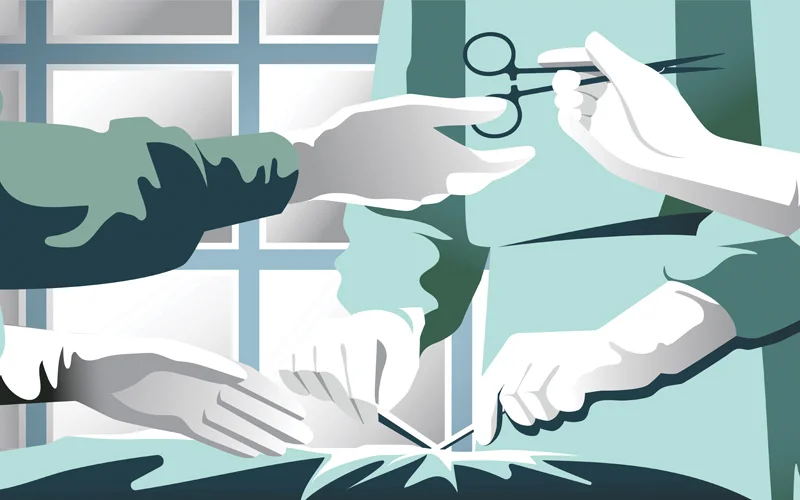
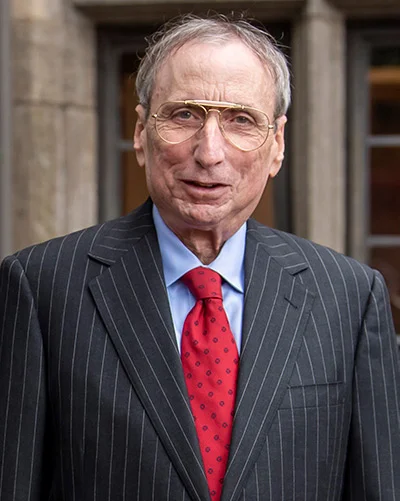
What follows is a retrospective look at the training of generations of PCOM surgeons from Arthur Sesso, DO ’81, whose many decades as PCOM student, resident, faculty member and department chair afford him unique insight into pivotal times and memorable colleagues.
“It was an interesting time to be there,” says Arthur Sesso, DO ’81.
That’s his understated take on PCOM’s surgery department in the late seventies. Dr. Sesso now chairs the department and also serves as senior associate dean of osteopathic curricular innovation and oversight.
What he witnessed as student and resident was a transition between divergent views of what it meant to be a surgeon. Yet the two factions had a singleness of purpose that enabled the department to transcend its differences and strengthen its commitment to training and mentoring its own—a commitment that continues to this day.
For the old guard, Dr. Sesso says, “There was no other life but surgery. You were not allowed to be engaged, to be married. ‘Resident’ meant you resided in the hospital.” A younger group was more open to residents “having a real life, and having time to themselves.” Although 1981 saw the formation of the Accreditation Council for Graduate Medical Education (ACGME), which sets standards and accredits residency and fellowship programs for physicians in the United States, ACGME’s now-familiar 80-hour surgical resident rule was instituted only in 2003. As a resident, recalls Dr. Sesso, “I averaged 118 hours of work a week. You never had a weekend off.”
The old guard’s mindset was almost monastic, Dr. Sesso acknowledges. “Even if you were sick, you didn’t get sick. You didn’t call out or take time off.” He was one of two residents at the time; the other was H. Harry Tourigian, DO ’80, whom Dr. Sesso describes as an unsung hero. With a fellowship in cardiothoracic surgery at the Cleveland Clinic Hospital, Dr. Tourigian was “starting to break the boundaries of what the public traditionally thought of as an osteopathic physician. Unfortunately, he died within one month of completing that fellowship.”
Dr. Sesso and Dr. Tourigian were being trained when the gulf between old and new guard was at its widest. But even though the older surgeons “had been too long doing things their way, and couldn’t change, they were promoting the next generation,” Dr. Sesso says. “Henry D’Alonzo, DO ’51, Nick Pedano, DO ’61, Galen Young, DO ‘35—they were pushing for the new guard. So were Bob Jama, DO ’69, Bill Henwood, DO ’76, Dan Wisely, DO, FACOS, LLD (Hon.), Archie Feinstein, DO ’43, is another icon of the department. While they came from a different generation, they knew that a new direction had to be taken, and they had the courage to do it.”
Complex Individuals
Dr. Sesso describes the prevailing mentality among the surgical old guard: “We were facing a common enemy, illness and death, and we were not going to lose. Dr. Jama, one of our first surgeons trained in traumatic surgery, always said, ‘Come back with your shield or on it.’ If you lost a battle, someone didn’t walk away. So there was that feeling that you functioned as a combat team, and that you won or lost together.” In a similar vein, department chair Dr. Young liked to say that a calm sea does not make a sea captain. Stress was considered absolutely appropriate to becoming a surgeon.
Dr. Sesso offers as an example Dr. D’Alonzo. When he went into the operating room, this “very nice, affable man would become someone who cursed and screamed and yelled. And the minute he left, he’d revert back.” His OR colleagues knew Dr. D’Alonzo was extremely compassionate and concerned about his patients, and “just about every other surgeon in the department was the same,” says Dr. Sesso, “though they all had different ways of expressing it.”
Dr. Sesso also points out that although “these surgeons could have earned more money elsewhere, they chose to work at City Line Avenue, with an inner-city population that didn’t have great healthcare insurance. That was a significant commitment to begin with, and they also chose to train younger surgeons, another big responsibility.” The unpaid work of training residents and students was motivated by the surgeons’ very specific sense of obligation to the osteopathic profession at PCOM. Most of them were PCOM alumni, which made the training process akin to an apprenticeship.
Drs. D’Alonzo and Pedano were residents of Herman Kohn, DO ’27, FACOS. “There was
no love lost between Dr. Kohn and either of those two surgeons, but there was a tremendously
deep respect,” Dr. Sesso says. So when Dr. Kohn’s wife needed surgery, his residents
performed it. The dynamic among these surgeons was
“We’re sparring with you, but we’ll go to our deathbed for you.” Tom Powell, DO ’56, too, “would argue with the other surgeons, but at the same time go to the wall to
defend them.”
With every generation of residents, the older camp trained the younger camp. “Yet, those people who gave birth to the next generation were still there, still practicing, still doing surgery the way they were trained to do it,” says Dr. Sesso. “And I don’t know anyone from the younger side of it who doesn’t have respect for those who started it.”
New Ground, Old Loyalties
Dr. Sesso’s own residents span decades and specialties.
“James Tayoun, DO ’90, FACOS, is a very good surgeon who also has a specialty in vascular surgery. He currently serves as chairman of surgery at Shore Memorial Hospital in New Jersey. And he’s taking our students, so he’s continuing the tradition of in-house training of our residents.
“Christie M. Hirsch-Reilly, DO ’12, RES ’17, assistant professor of surgery, PCOM Georgia, was the first Georgia student to apply to our surgical residency, and her practice is now in Charlotte, North Carolina. It’s hard to imagine, but at first the Georgia schools were not producing specialists. So she was a groundbreaker. “Bill Craver, DO ’87, FACOS, became my partner in surgery for a long time. He trained hundreds of surgical residents and thousands of students.”
Different World, Different Challenges
Surgeons today can do things that Dr. Sesso’s cohort “couldn’t even imagine. Let’s go back to Dr. D’Alonzo,” suggests Dr. Sesso. “He loved to do aortic aneurysms, which would take 6 or 7 hours. The patient would lose a great deal of blood and would be in the hospital for weeks. Today, a vascular surgeon from our department can do an aortic aneurysm percutaneously, through a needlestick in the groin. That takes maybe an hour or two, and the patient goes home the same day.
“One of the very first things I was asked as a first-year medical student,” Dr. Sesso continues, “was to read a CAT scan. I had never seen it before. Today, a surgeon has to be able to understand CAT scans of all kinds, know when to use them and when not to, know how to make the right diagnosis based on very early symptoms rather than waiting until late in the process of disease. They have their own set of problems that I never could have imagined.
“And they continue to train our residents. Lindsey Perea, DO ’13, RES ’18, was my student and my surgical resident; she’s now in charge of the surgical residency. The baton keeps getting passed on, and each generation moves the department a little further.”
Formative Mentors & Key Influences
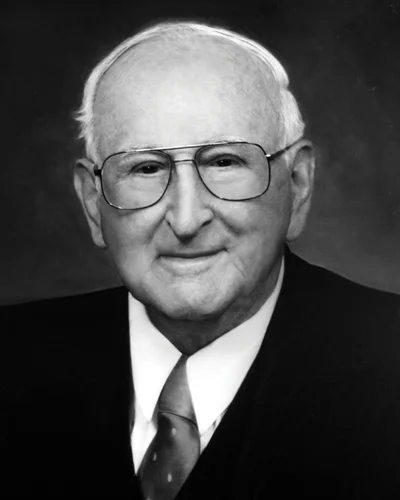
Galen S. Young Sr., DO ’35
Galen S. Young Sr., DO ’35, taught students, interns, and residents for 44 years and chaired the Department of Surgery and the Division of General Surgery before being named professor emeritus of surgery. Dr. Sesso describes Dr. Young as “the prototypical surgeon” and adds, “His love for surgery was exceeded only by his love of osteopathic medicine.” Among his gifts to PCOM was the funding of the Professional Chair in Surgery that Dr. Sesso now holds. Dr. Young became chancellor of PCOM in 1990, serving in that capacity until his death.
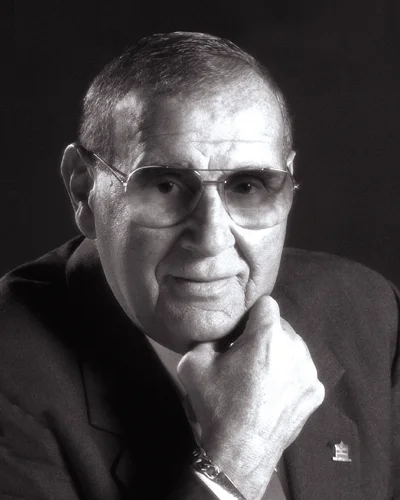
Nicholas C. Pedano, DO ’61, FACOS
Nicholas C. Pedano, DO ’61, FACOS, completed his internship and residency at the Hospital of PCOM, where he was also an attending surgeon, chief of surgery for over 25 years and president of the medical staff. He trained more than 75 surgical residents at PCOM. Dr. Sesso was not only Dr. Pedano’s successor but also his student, resident and associate, taking over their surgical practice after Dr. Pedano retired. Dr. Sesso describes those relationships as “the greatest learning experiences of my life.”
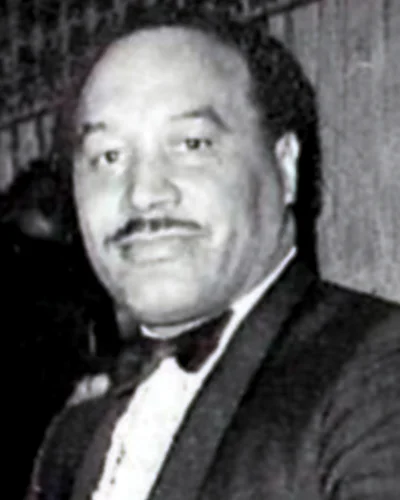
Thomas F. A. Powell, DO ’56
Thomas F. A. Powell, DO ‘56, clinical professor of surgery, and later, professor emeritus, dedicated 30 years of service to PCOM. As the College’s first Black surgeon, he broke barriers, mentored generations of surgeons and left a lasting legacy in the diversity of medicine.
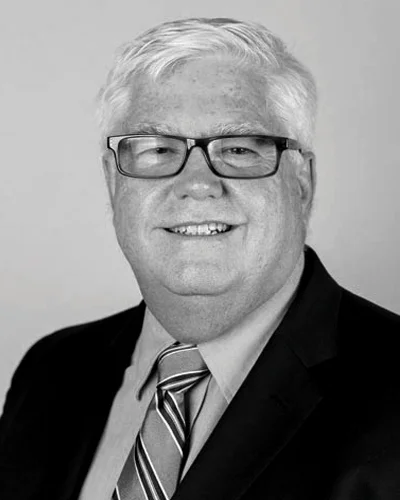
H. William Craver, III, DO ’87, FACOS
H. William Craver III, DO ‘87, FACOS, professor of surgery; dean and chief academic officer, osteopathic medical program, PCOM South Georgia, held administrative positions at all three of PCOM’s campuses, and helped establish the Moultrie campus. His earlier career was in surgery. From 1992 to 1997, he was academic coordinator of PCOM’s surgery residency program.
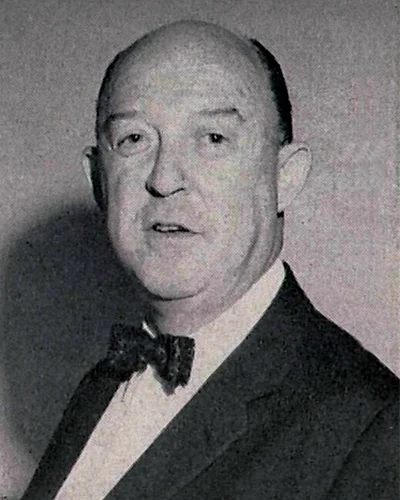
James M. Eaton, DO ’28
James M. Eaton, DO ’28, may have been the first osteopathic physician to specialize in orthopedic surgery, according to a 1979 history of the osteopathic orthopedic profession. Dr. Eaton joined PCOM’s Department of Surgery in 1930, became its chairman in 1952, and helped formalize the department’s one-year surgical residency, which had begun in 1942, into an AOA-approved, three-year program. Dr. Eaton performed surgery directed at spinal disease and herniated disks, becoming one of the first surgeons in Philadelphia to perform a laminectomy.
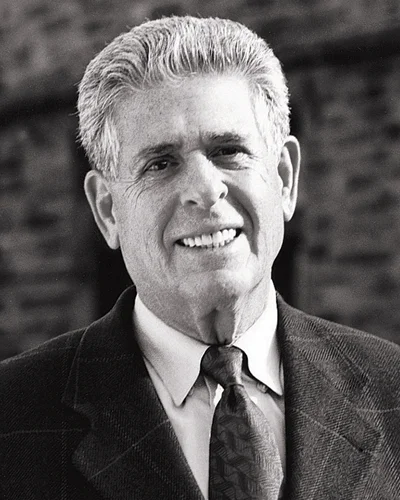
Leonard H. Finkelstein, DO ’59, MSc ’63, FACOS
Leonard H. Finkelstein, DO ’59, MSc ’63, FACOS, chancellor, past president and professor emeritus, had a storied PCOM administrative career. But he was also a prominent urologic surgeon. In 1984, he became the first osteopathic urologist to publish in Surgical Clinics of North America, and he was the first osteopathic physician not affiliated with an allopathic institution to publish in the American Journal of Surgery.
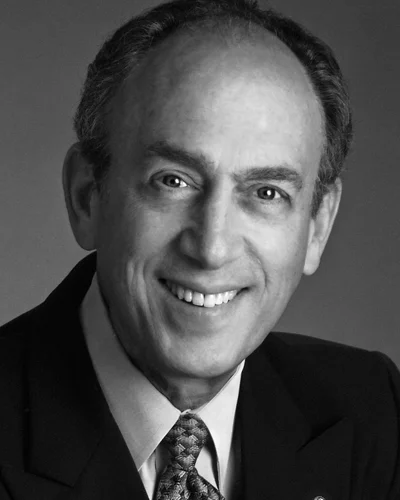
Sherman Leis, DO ’67
Sherman Leis,DO ’67, was the first osteopathic physician to be a chief surgical resident at a major American university hospital. He was also the first osteopathic physician fully trained in plastic and reconstructive surgery. He founded PCOM’s own residency training program in plastic and reconstructive surgery in 1991, stepping down in 2012, after having trained approximately 85 residents.
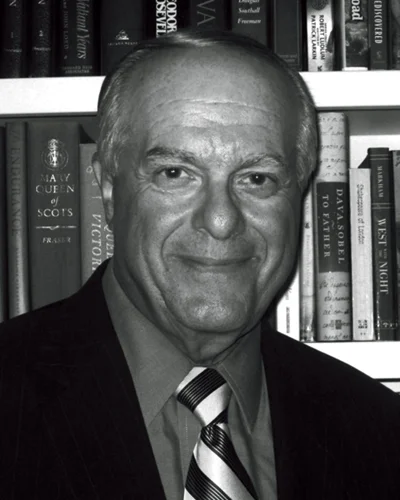
Frederick G. Meoli, DO, FACOS
Frederick G. Meoli, DO, FACOS, served PCOM for many years as assistant professor in the Department of Surgery, and became emeritus assistant professor. He practiced general surgery for more than 40 years and was chair of the Department of Surgery at the University of Medicine and Dentistry of New Jersey – School of Osteopathic Medicine. He was among the earliest surgeons to introduce minimally invasive surgery and stereotactic breast biopsies to South Jersey.