
Stay up to date with the latest stories and news from PCOM on Google.
Add us on GoogleRotator Cuff Soreness or Injury?
An Expert Weighs In
January 23, 2026
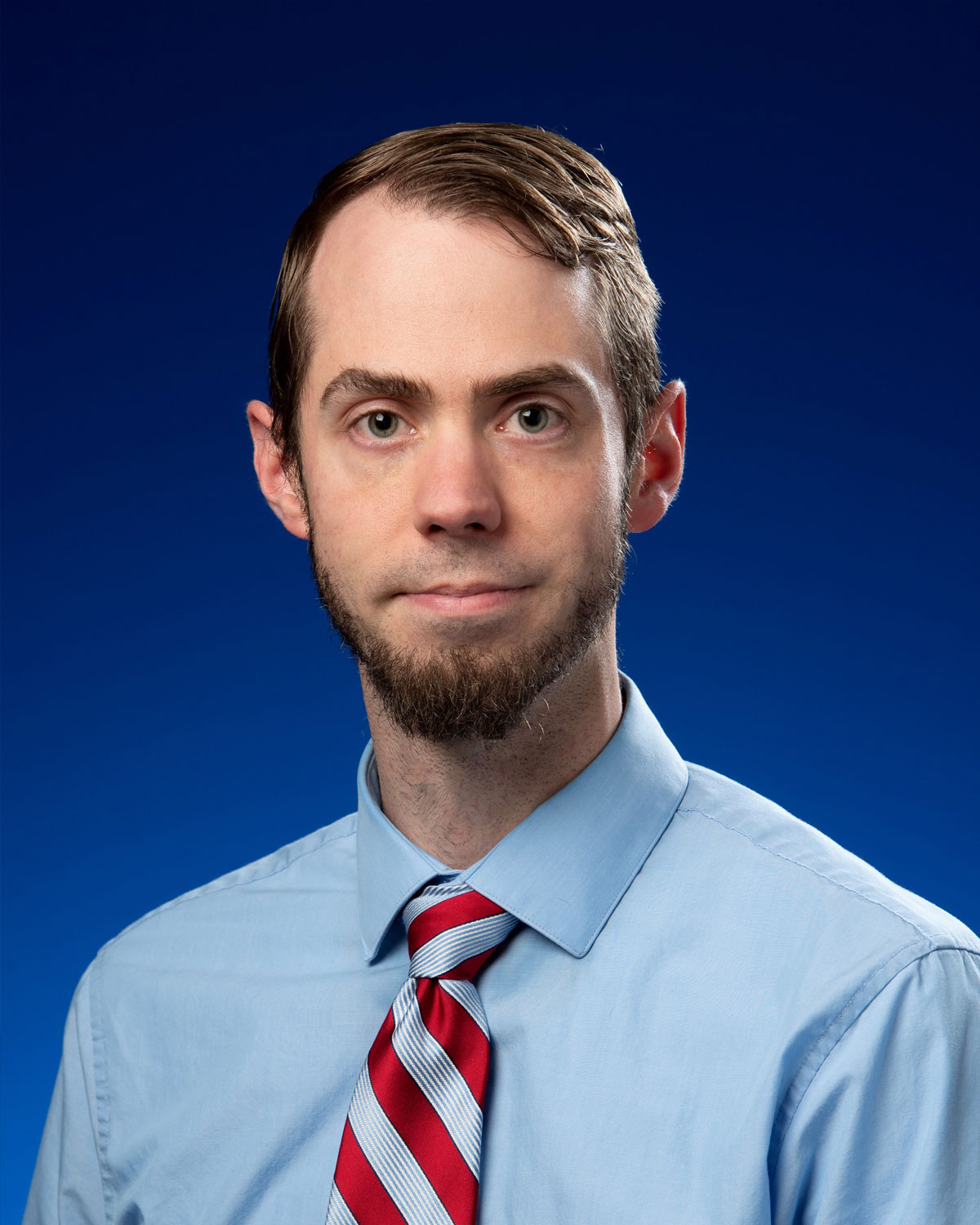
Rotator cuff injuries can be painful, but not every rotator cuff injury requires surgery. Scott Lowe, PT, DPT, OCS, FAAOMPT, an assistant professor of physical therapy at PCOM Georgia, provides insights on how this group of muscles and tendons function, and what treatment options to explore if it is a source of pain.
The rotator cuff refers to the group of four muscles and tendons that attach to the upper arm bone. As the name suggests, these muscles are some of the primary movers for rotational motion, however, their role in stabilizing and controlling other arm movements is also vital.
Lowe says that rotator cuff tears can feel different depending on whether the tear is traumatic or not. “The size of the tear influences how it feels; oftentimes small tears are quite painful, whereas full tears may present primarily with weakness, but not a lot of pain.”
While causes of a tear can vary, a lot of times these injuries occur as people get older and the tendons in the rotator cuff become too weak to handle repeated stress. According to Lowe, these gradual tears tend to be less painful than those that occur due to a fall or trauma.
To differentiate between muscle soreness and a rotator cuff injury, Lowe recommends visiting a physical therapist who can perform appropriate testing as it can be hard to diagnose on your own. Additionally, if someone is experiencing significant weakness or difficulty lifting the arm, there is risk of more structural damage and thus a need to seek medical attention.
“The simplest assessment would be to gauge how quickly the symptoms improve. Muscle soreness after physical activity typically improves in 1-3 days, whereas the symptoms from an actual structural injury are likely to last longer, and warrant further professional assessment,” shared Lowe.
There are several clinical tests that have fairly good diagnostic accuracy to help determine the cause of upper arm and shoulder pain. An MRI, especially one with contrast dye, is considered the "gold standard," though even this is not 100% accurate, says Lowe.
For cases that do not require immediate surgical attention, Lowe says a physician can prescribe strong anti-inflammatory medications or inject steroids into the affected area to ease pain. Additionally, physical therapy can provide exercises to strengthen the cuff itself and the surrounding muscles to improve stability and function.
“It's important to listen to your body because it will often tell you when to seek medical treatment," said Dr. Lowe. "Recognizing warning signs of rotator cuff injuries early and seeking proper treatment not only will relieve pain quicker, but also help preserve strength, motion and long-term shoulder function."
You May Also Like:
About PCOM Georgia
PCOM Georgia has been serving students and the community for 20 years as a branch campus of Philadelphia College of Osteopathic Medicine (PCOM), a private, not-for-profit, accredited institution of higher education established in 1899. Located in Suwanee (Gwinnett County), PCOM Georgia offers doctoral degrees in osteopathic medicine, pharmacy and physical therapy. Graduate degrees are offered in biomedical sciences, medical laboratory science and physician assistant studies. The campus joins PCOM South Georgia in Moultrie in helping to meet the healthcare needs of the state. Emphasizing "a whole person" approach to care, PCOM Georgia focuses on educational excellence, interprofessional education and service to the community. For more information, visit pcom.edu or call 678-225-7500. The campus is also home to the Georgia Osteopathic Care Center, an osteopathic manipulative medicine clinic, which is open to the public by appointment. For more information, visit pcomgeorgiahealth.org.
Contact Us
For general media inquiries, please contact the Office of Marketing and Communications at 215-871-6300 or communications@pcom.edu. Visit our media relations page to view contact information for public relations personnel.
Connect with PCOM Georgia
Media Inquiries
Joy Williford
Assistant Director, News and Media Relations
Office of Marketing and Communications
Email: joyde@pcom.edu
Office: 470-572-7558