Nutrition Education at PCOM
Preparing Future Physicians to Address Nutrition and Health
- Learn to evaluate nutrition as part of whole-person care
- Explore the connection between diet, health and disease
- Develop prevention-focused clinical decision-making
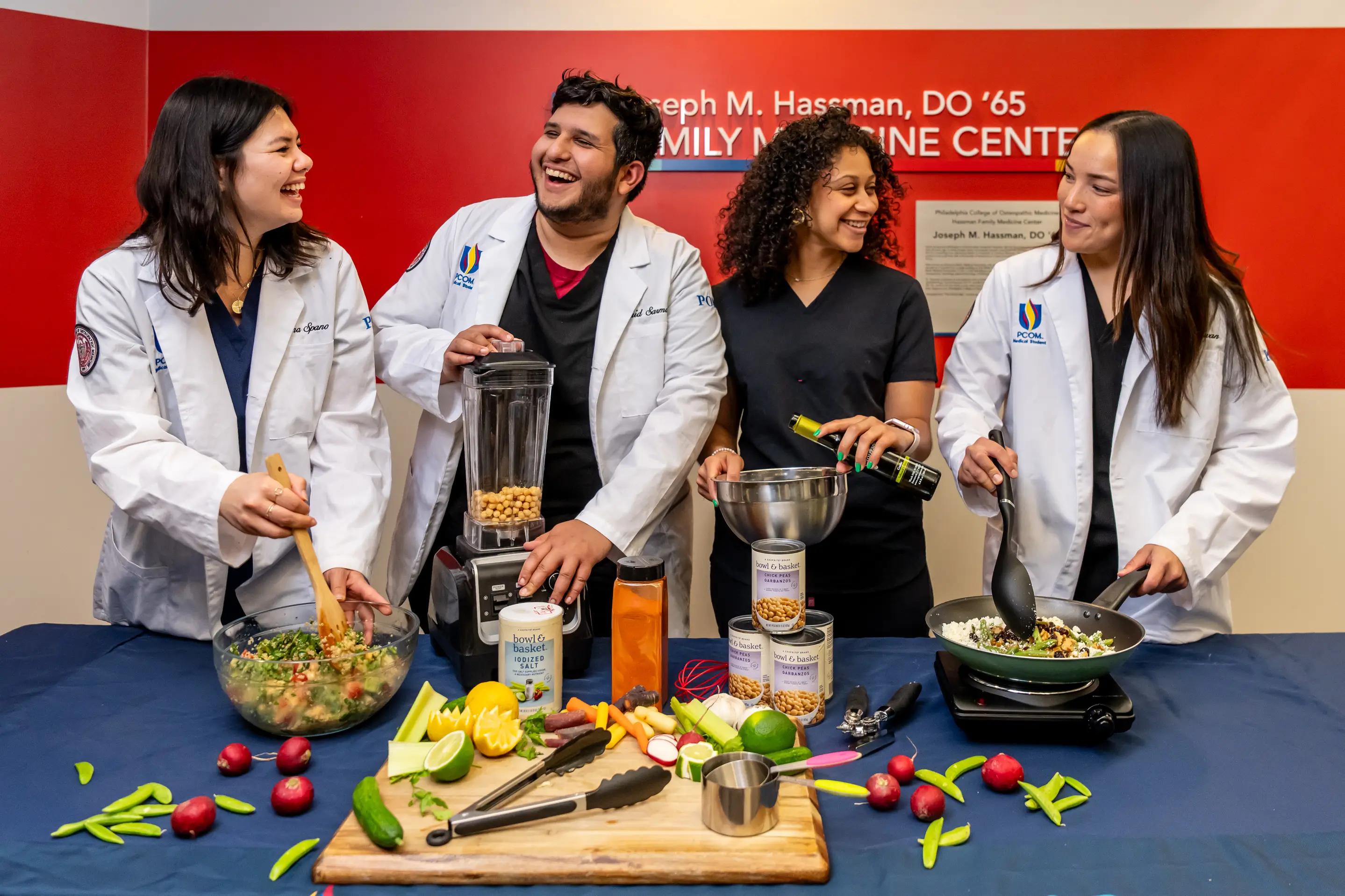
Nutrition plays an important role in preventing, managing and treating many of the chronic health conditions physicians encounter every day. As healthcare continues to place greater emphasis on prevention and whole-person care, medical students need a strong understanding of how nutrition influences health across the lifespan.
PCOM's Doctor of Osteopathic Medicine (DO) program prepares future physicians to consider the many factors that affect health and wellness, including nutrition, lifestyle, environment and behavior. Through coursework, clinical training and patient-centered education, students learn to evaluate the role of nutrition as part of comprehensive patient care.
This approach aligns with a growing national focus on strengthening nutrition education in medical training and preparing physicians to address nutrition-related health concerns in clinical practice. Through the Advancing Nutrition Education Across the Medical Continuum initiative, the U.S. Department of Health and Human Services (HHS) encourages medical schools to expand nutrition education and incorporate nutrition competencies throughout undergraduate medical education. Participating institutions are working toward providing at least 40 hours of nutrition education or an equivalent competency-based experience for medical students.
Nutrition Through an Osteopathic Lens
Osteopathic medicine emphasizes the interconnectedness of the body's systems and the importance of preventive care. Nutrition is one of many factors that can influence overall health and well-being.
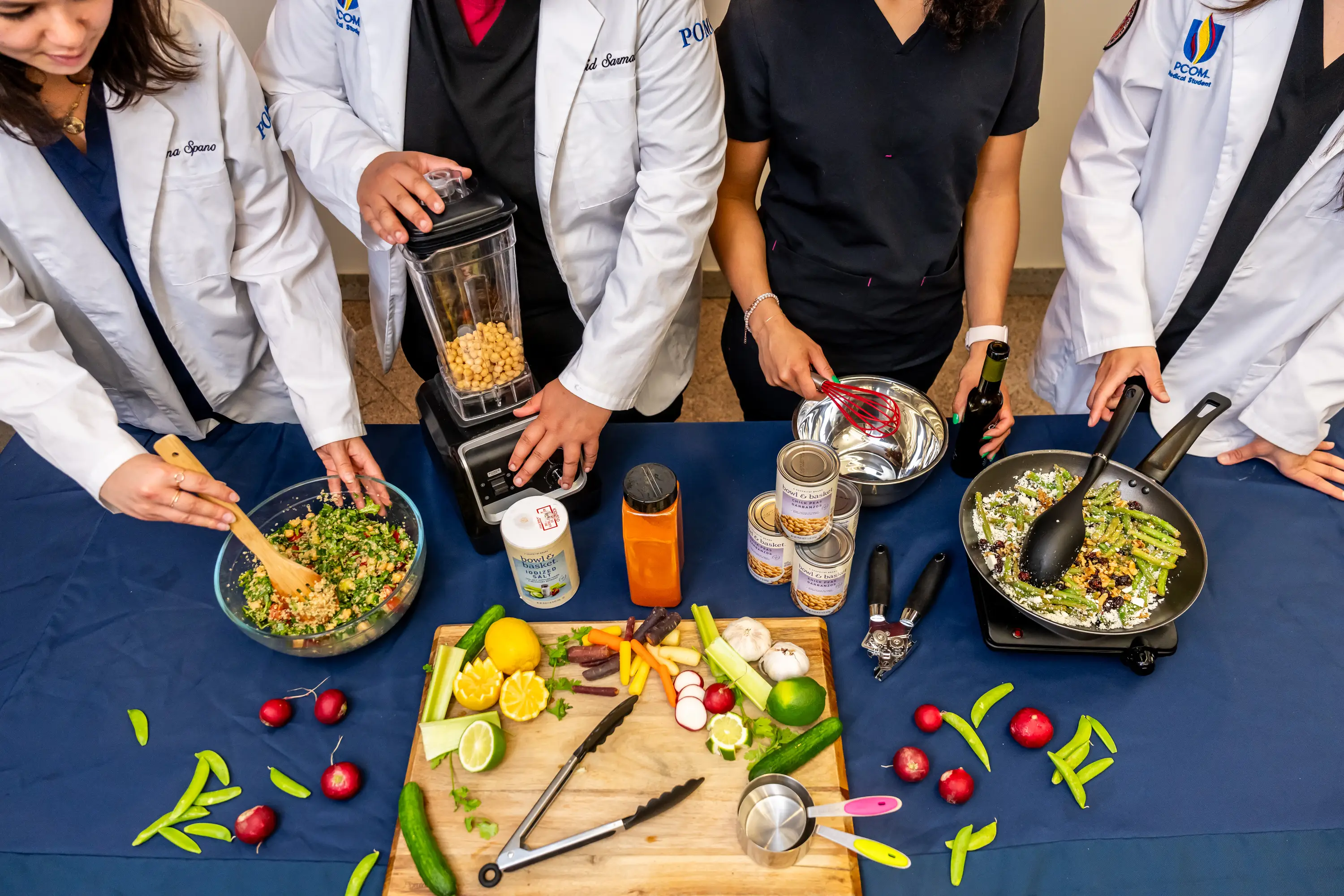
Throughout the DO curriculum, students explore concepts that support patient-centered care, including:
- The relationship between nutrition and chronic disease
- Preventive medicine and health promotion
- Lifestyle factors that influence patient outcomes
- Evidence-based approaches to disease prevention
- Social and environmental factors that affect health
- Strategies for counseling patients on healthy behaviors
By understanding the role of nutrition within a broader healthcare context, students are better prepared to help patients make informed decisions that support long-term health.
Building Nutrition Knowledge Through Clinical Education
Nutrition education extends beyond the classroom. As students progress through clinical training, they encounter patients with conditions that may be influenced by dietary and lifestyle factors, including:

- Obesity
- Diabetes
- Cardiovascular disease
- Hypertension
- Gastrointestinal disorders
- Metabolic conditions
Clinical experiences provide opportunities to observe how physicians incorporate nutrition-related discussions into patient care and collaborate with other healthcare professionals to support positive health outcomes.
Supporting Prevention-Focused Healthcare
Many of the leading causes of illness in the United States are linked to modifiable risk factors, including nutrition and lifestyle behaviors. National healthcare organizations and medical educators increasingly recognize the importance of equipping future physicians with the knowledge and skills needed to address these factors as part of routine patient care.
PCOM remains committed to preparing osteopathic physicians who are equipped to promote health, prevent disease and care for the whole person.
Looking Ahead

As nutrition education continues to evolve within medical training, PCOM is committed to providing a curriculum that prepares future physicians to meet the changing needs of patients and communities. By integrating preventive medicine, lifestyle considerations and whole-person care throughout the educational experience, the DO program helps students develop the knowledge and perspective needed to address today's healthcare challenges.
Bringing Nutrition to Healthcare Education