
VIRGINIA BURKS SALZER, PHD
Co-Director of Research, School Psychology
Director, PhD in Educational Psychology
Professor
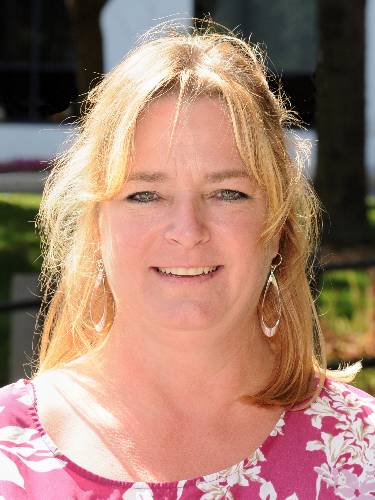
After completing her postdoctoral fellowship, Dr. Salzer joined the faculty at Vanderbilt
where she remained until 1998. At that time, she accepted an appointment at the University
of Pennsylvania and Children's Hospital of Philadelphia where she embarked on a longitudinal,
multi-site study of the impact of parental treatment for depression on the development
of childhood psychopathology. In addition, she has received federal grant funding
to examine the impact of the treatment of childhood anxiety on parent-child interactions.
This study focuses on the impact of symptom reduction via psychopharmacological interventions
and whether or not changes in children's expression of anxious symptoms elicits alternative
parenting styles.
Dr. Salzer joined the core faculty at Philadelphia College of Osteopathic Medicine
in the summer of 2004. She serves as the vice chairperson of the Institutional Review
Board and teaches courses in developmental psychology, developmental psychopathology
and dissertation research development. Most of the doctoral candidates for whom she
serves as committee chairperson have focused their research on the examination of
parent-child relationships in families in which either the parent and/or the child
are currently experiencing some form of psychopathology. In particular, the students
are examining how parents model and reinforce various forms of psychopathology, with
a long-term goal of adopting intervention programs aimed at altering the environments
in which children are exposed to aberrant parenting styles.
In addition to her work at PCOM, Dr. Salzer serves as a scientific reviewer for National
Institutes of Health grant funding programs and as an ad hoc reviewer for Developmental
Psychology, Child Development, Social Development, and Family Psychology.
Education
Dr. Salzer is a graduate of the developmental psychology program at University of Illinois at Urbana-Champaign. After completing her PhD in 1991, Dr. Salzer began her post-doctoral fellowship in developmental psychopathology at Vanderbilt University with Dr. Ken Dodge. As a graduate student, her primary area of research focused on parent-child relationships in families with aggressive and socially rejected children. While at Vanderbilt University, she adopted a social-information processing model and expanded her area of interests to include the examination of children's internal social cognitive models and their impact on childhood aggression.