
School Psychology at PCOM
Earn Your PsyD
Request Program Information
Loading...
Collaboration and a whole person approach are the cornerstones of PCOM’s school psychology program. Our faculty includes highly credentialed and respected practitioners and scholars who train students to provide psychological services including assessment, treatment, consultation, program development and evaluation while focusing on interprofessional collaboration, advocacy, individual and cultural diversity, and serving the underserved.
See also: What is a school psychologist?
Classes are offered at convenient, flexible times and formats for working individuals. PCOM's programs are unique in their use of standardized client actors, immersing students in realistic experiences and clinical situations.
This is a carousel. Use the Next and Previous buttons to navigate through the slides.
What Our Students Say
“The entire school psychology faculty is fantastic! I appreciate their emphasis on the practical application of what is taught in the classroom. They have been genuine in their support while also challenging me to continue improving.”
Mary Jean Rainsford, PsyD ‘21
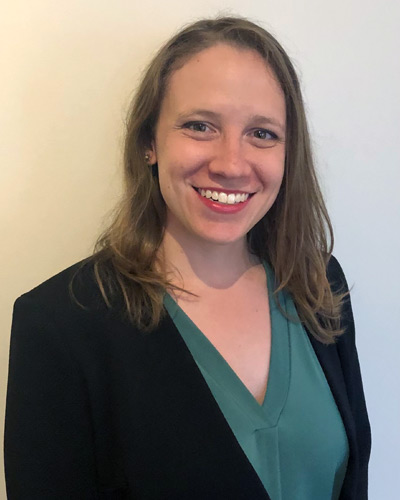
“The program is nonrestrictive and the PCOM faculty helped guide me to find practicums and experiences that allowed me to build on the skills I was learning or interests I wanted to explore.”
Aleida Silva-Garcia (PsyD ‘23)

“Not only have I felt consistent support from my professors, but they also fostered a comfortable and welcoming environment, enhancing my graduate school experience. Their ongoing encouragement and guidance have played a pivotal role in shaping the clinician I am becoming.”
Kamryn McKinney (PsyD '26)

Career Options for School Psychologists
Students in PCOM’s school psychology program can prepare for a career in helping children
and adolescents resolve learning and behavioral problems, thus promoting healthy development.
Important and rewarding work, school psychology professionals can pursue a wide variety
of career opportunities. While most school psychologists primarily practice in school
environments, advanced training provides opportunities to work in a variety of settings,
including:
- Public and private schools
- Counseling centers
- Community agencies
- Private practices
- Clinics and university counseling centers
- Hospitals
How to Apply to PCOM's School Psychology Program
Visit our admissions section to learn about the application process and requirements for our PsyD program or contact an admissions specialist at admissions@pcom.edu.
Cost of Attendance and Financial Aid
PCOM is committed to helping students maximize funding sources and minimize student debt. Visit our Office of Financial Aid section to learn about cost of attendance, types of aid available and how to apply for financial aid.
Tuition Calculator
More Information About School Psychology
School psychologists provide effective services to help children and youth succeed academically, socially, behaviorally and emotionally (NASP, 2010). Learn more about school psychology from the National Association of School Psychologists.