
Physician Assistant Studies
PCOM and PCOM Georgia
- Prepare for a career in patient-centered healthcare
- Train to diagnose and treat a wide range of health conditions
- Learn in a supportive, student-focused environment

PCOM's Physician Assistant (PA) Studies program provides a comprehensive academic and clinical medical education to prepare students for their professional roles as healthcare providers.
Students may enroll at either our Suwanee, Georgia location, or our main campus in Philadelphia, Pennsylvania. PCOM's PA Studies program offers students a holistic view of health care—one that considers all areas of well being and provides the opportunity to study and collaborate with students from a variety of medical-related disciplines.
What is a physician assistant?
Physician assistants (PAs) are health professionals who practice medicine with supervision by licensed physicians. PAs deliver a broad range of medical and surgical services in a variety of clinical settings.
PA Program Overview
PCOM offers a dynamic learning environment where students and educators constantly interact and collaborate with one another. All full-time PA program faculty are, or have been, practicing physician assistants, and thus they bring a broad range of perspectives and experience.
Starting early in their studies, PA students also benefit from extensive hands-on experiences. They work with patient-actors who assume the roles of patients with specific medical histories, train in modern medical facilities for clinical rotations, and benefit from clinician-patient encounters in supervised clinical practice experiences.
As a result of all this training, our PA Studies program graduates are exceptionally prepared and highly sought after. First-time pass rate for our graduates on the Physician Assistant National Certifying Exam (PANCE) is exceptionally high. Our graduates are so highly valued by employers that many pursue active job leads before graduation.
Program structure
The first 15 months of the PA Studies program consists of classroom and laboratory instruction, followed by 12 months of clinical preceptorships and clinically-related content.
This is a carousel. Use the Next and Previous buttons to navigate through the slides.
“I chose Philadelphia College of Osteopathic Medicine because of its close proximity to home which allowed me to receive an excellent medical education and be close to my family.”
Veronica Pham, MS/PA '21

“As I reflect on my life to date, nothing makes me feel more pride than to say that I am a graduate of the PCOM physician assistant program.”
Ben Hubbard, MS/PA '21
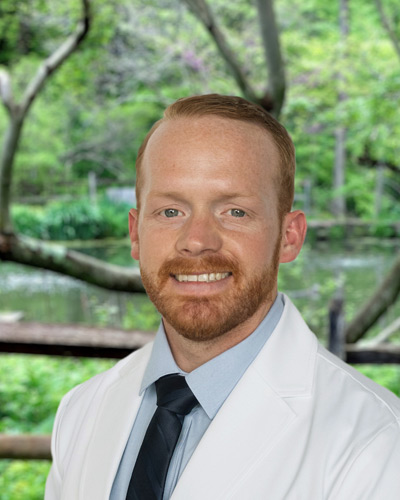
“From the first time I visited campus, I could see PCOM was a close-knit community and had such a welcoming environment. I wanted to be a part of the PA program because I could tell they cared about their students and would prepare them for their future careers.”
Jesse Rivera, MS/PA '25

Step Into a Meaningful Career
Complete this form to download our free program brochure and opt-in to receive communications about the Physician Assistant Studies program!
Career options for physician assistants
- Physician assistants deliver a broad range of medical and surgical services to diverse populations in both rural and urban settings throughout the world.
- PAs work in a variety of settings, including private practice, hospitals, nursing homes, student health services, and rural and urban clinics.
- Look in nearly any specialty within medicine and you'll find a physician assistant at work. Fast growth in the field is expected until 2030, so there has never been a better time to investigate the profession.
Can a physician assistant become a doctor?
The knowledge, skills and experience acquired as a physician assistant can be applicable to many related careers including physicians. PAs must still complete medical school and a residency program in order to become fully licensed doctors.
What are the prerequisites for becoming a physician assistant?
Applicants should have a baccalaureate degree in science or a health-related field. Direct patient experience, academic ability, problem-solving skills, maturity and commitment to the profession are among the factors considered for admission to PCOM's PA program. Visit our How to Become a Physician Assistant guide for more information.
Can you become a PA without a bachelor's degree?
A bachelor's degree—preferably in science or a health-related field, from a regionally accredited college or university in the United States, Canada or the United Kingdom—is required for admission to PCOM's PA program. For more information, visit the application requirements page.
DOWNLOAD PROGRAM BROCHURE
How to apply for PCOM's PA Studies program
Visit our application requirements page to learn about degree requirements, the application process, prerequisite coursework and other considerations for PCOM's Physician Assistant Studies program. Ready to apply? PCOM is a participant in the Centralized Application Service for Physician Assistants (CASPA), an online application service.
START YOUR APPLICATION
Cost of attendance and financial aid
PCOM is committed to helping students maximize funding sources and minimize student debt. Visit our Office of Financial Aid section to learn about cost of attendance, types of aid available and how to apply for financial aid.
Tuition CalculatorProgram Highlights Physician Assistant Studies
Success Rate
PCOM Physician Assistant Studies program graduates consistently exceed the national average first time pass rate for the Physician Assistant National Certifying Exam (PANCE).
Hands-on Learning
Our program includes clinical rotations in multiple medical disciplines including emergency medicine, family medicine, internal medicine, prenatal care/gynecology, general surgery, pediatrics and behavioral medicine.
Expert Faculty
Our faculty use their professional knowledge and varied experience as practicing PAs to help students develop the critical thinking and problem-solving skills needed to succeed in clinical practice.
Accreditation
The Accreditation Review Commission on Education for the Physician Assistant (ARC-PA) has granted Accreditation-Continued status to the Philadelphia College of Osteopathic Medicine Physician Assistant Program sponsored by Philadelphia College of Osteopathic Medicine. Accreditation-Continued is an accreditation status granted when a currently accredited program is in compliance with ARC-PA Standards.
Accreditation remains in effect until the program closes or withdraws from the accreditation process or until accreditation is withdrawn for failure to comply with the Standards. The date for the next validation review of the program by the ARC-PA will be March 2028. The program’s accreditation history can be viewed on the ARC-PA website at Philadelphia College of Osteopathic Medicine Accreditation History.