How to Prepare for Medical School
Ten steps for a competitive application
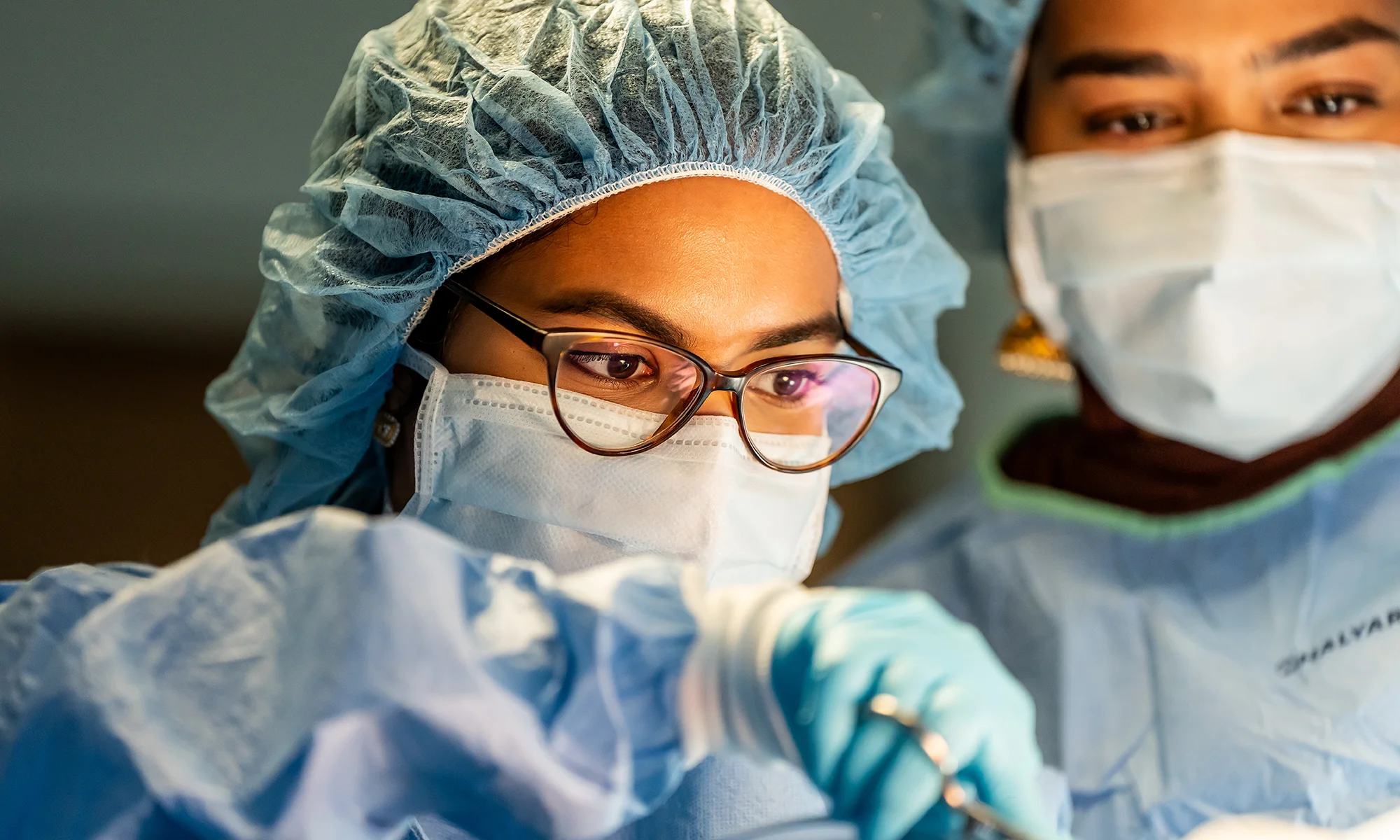
Preparing for medical school involves academic planning, clinical experience, leadership development and a thoughtful application strategy. This guide outlines key steps students can take throughout their undergraduate education to prepare for the medical school admissions process.
Laying the foundation for a successful medical school career begins your first year of college and continues throughout your undergraduate studies. Our guide to a competitive medical school application includes the following 10 steps:
Academic performance is one of the most important components of a medical school application. Students should focus on maintaining a strong GPA while completing prerequisite coursework in biology, chemistry, physics and related sciences. You can find the list of required and advisable courses for PCOM's osteopathic medicine program on our DO program application requirements page.
Strong applicants often demonstrate:
Students should also work closely with academic advisors to ensure they complete all required coursework for the medical schools they plan to apply to.
Clinical experience helps students better understand healthcare environments, patient care and the day-to-day realities of medical practice.
Students may gain experience through:
Meaningful exposure to healthcare settings can help students confirm their interest in medicine while strengthening their applications.
During your first two years of undergraduate studies, carefully select extracurricular activities on campus and in your local community that are of interest to you. Choose a wide variety of activities; however, do not get so involved that you jeopardize your academic performance. Do not join an activity because you think it will “look good.” Rather, do what you enjoy. Gain experience working with others and building leadership skills. Reflect on those experiences and consider how they will assist you in a future career in medicine.
As you work toward the completion of your undergraduate degree, stay involved in your selected extracurricular activities. If you haven't volunteered or experienced the healthcare field, now is a good time to do so. If you have already, keep up the good work! Remember, interesting cases increase your exposure and help you develop insights around the complexities of American medicine. Keep an experience journal for use in the application process. Look for DO physicians to shadow. You should also seek leadership roles and responsibilities within the organizations in which you are involved.
Physicians regularly communicate with patients, families and healthcare teams. Medical schools therefore evaluate more than academic achievement alone.
Students can strengthen interpersonal skills through:
Experiences that demonstrate empathy, professionalism and collaboration can help strengthen a medical school application.
In February of your junior year, apply for a spring MCAT exam date. Plan ahead and apply early to reserve your seat. Students preparing for the MCAT should:
Many students begin preparing for the MCAT several months before their planned exam date.
The MCAT exam dates, times and locations can be found on the AAMC website. Be sure to request your scores be sent directly to AACOM. You can also access your scores online at aamc.org.
Begin building relationships with your faculty early in your studies. When it is time to request letters of recommendation, they will be able to speak to your abilities as a student and future physician. Letters of recommendation provide medical schools with insight into a student’s academic abilities, professionalism and readiness for medical school.
Strong letters often come from:
During your junior year, be sure to follow deadlines set by your advisor/committee regarding the request for a recommendation letter(s).
Medical schools vary in curriculum structure, mission, clinical opportunities, campus culture and geographic setting. When researching schools, students may consider:
Students exploring medical school pathways may also wish to learn more about osteopathic medicine and PCOM’s Doctor of Osteopathic Medicine (DO) program.
Suggested related resources:
Submit your AACOMAS application as soon as possible during your final year of undergraduate studies. The PCOM AACOMAS deadline is February 1, but do not wait for deadlines! PCOM has a rolling admission process and early applications are strongly recommended. Interviews for the DO program begin in the summer term and will be conducted through the spring term.
If possible, obtain a letter of recommendation from an osteopathic physician. While not required, this document is strongly recommended.
Interviews provide applicants with an opportunity to discuss their experiences, motivations and preparation for a career in medicine.
Students can prepare by:
Strong interview preparation can help applicants communicate confidence and professionalism.
Be sure to check with AACOMAS to verify that all of your transcripts have been received and verified so that the processing of your application is not delayed. It is your responsibility to ensure a completed application!
Please pay the PCOM institutional application fee and submit all supporting materials (including letters of recommendation, MCAT score reports, etc.) to PCOM in a timely manner. For more information regarding application deadlines, please see our admissions requirements page.
Complete this form to access the Pre-Medical Student's Guide to a Competitive Application and opt-in to receive communications and updates about PCOM’s DO program!
There are several actions you can take to better prepare yourself for the rigors of medical school. Consider the following tips for your post-baccalaureate, graduate or gap year(s):
Many students begin preparing during their first year of college by focusing on prerequisite coursework, academic performance and extracurricular involvement.
Medical schools often value meaningful long-term involvement, leadership, service and clinical exposure more than participation in a large number of unrelated activities.
Clinical experience is an important part of many medical school applications because it demonstrates exposure to patient care and healthcare environments.
Many students take the MCAT during their junior year after completing prerequisite science coursework and several months of preparation.
Although not a PCOM requirement, a research background will aid you in any science field you may choose, including medicine. Research experience can help demonstrate critical thinking, curiosity and scientific engagement.
Visit our Doctor of Osteopathic Medicine (DO) application requirements page to learn about admissions requirements, the application process, interviews, affiliated programs and much more. We also encourage you to tour our locations or attend an open house to learn more about our programs.
Need more information? We're here to help:
DOWNLOAD PRE-MEDICAL STUDENT'S GUIDE TO A COMPETITIVE APPLICATION